跳至产品信息
1 / 2
Dark Earth Soil CA flag

Official Reseller

Provision Gardens is an official reseller of this brand.

Our inventory is sourced directly from the manufacturer and/or authorized distribution partners. We do not sell used items or unverified/old stock. This helps ensure product authenticity, freshness, and the high standard you expect.

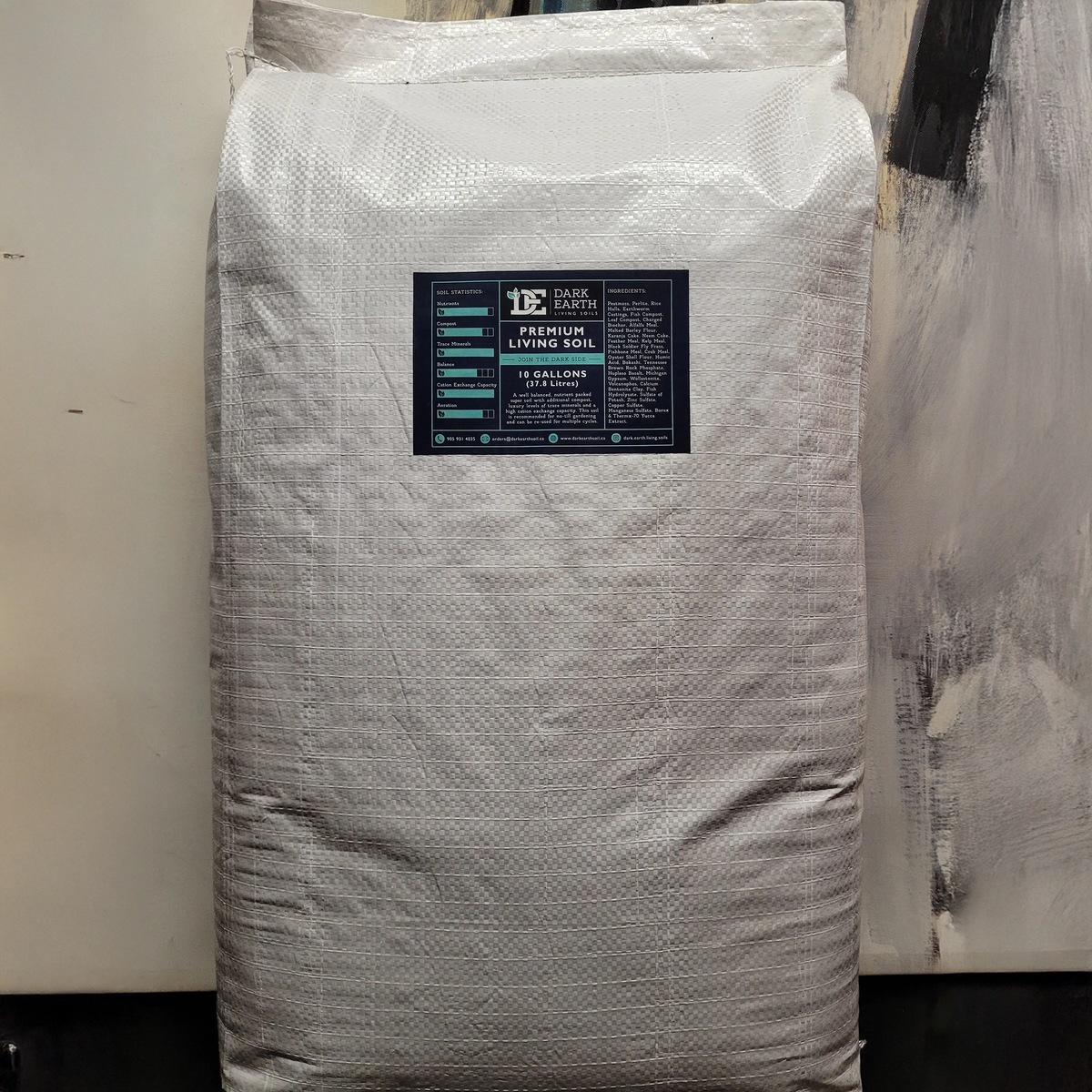
黑土黑魔法超级土壤(优质活性土壤)- 37.85 升

常规价格 $39.99
常规价格 促销价 $39.99
结账时计算的运费
门店库存
Delivery Estimate
Province:
Estimated delivery:
Order within:
Choose your province
数量
Not Eligible for Free Shipping

Description

“黑土黑魔法”超级土壤(优质活性土壤)是一种活性土壤和营养丰富的超级土壤,旨在实现长期肥力、强大的养分保持能力和土壤园艺中活跃的养分循环。

这种优质活性土壤由30%(按重量计)的堆肥制成,并围绕高阳离子交换能力设计,以实现卓越的养分保持能力,帮助养分保留在根区,而不是迅速流失。它针对重度施肥植物进行了优化,具有均衡的氮磷钾(NPK)配比,因此它是一种完整、以肥力为导向的土壤介质,而非普通的盆栽混合物。

“黑土黑魔法”超级土壤(优质活性土壤)的一个关键区别在于其多样化的微生物生态系统,该系统驱动着养分循环。这种生物活性支持更具活力的根区环境,有助于有机物质分解并随时间变得可用。随着土壤的发展,据称其结构和微生物多样性也会持续改善,从而支持每个生长周期的一致表现。

该产品的基础成分混合了经典的土壤构建成分,用于提供结构和通气,包括泥炭藓、珍珠岩和稻壳,以及蚯蚓粪、鱼类堆肥和落叶堆肥等丰富的有机质。该混合物还包括带电生物炭、发酵谷壳(bokashi)、腐植酸、鱼水解物和活性有益微生物,以支持具有生物活性的土壤剖面。

为了实现广谱肥力,这种营养丰富的超级土壤含有各种有机肥料和矿物投入。植物和海洋衍生成分包括苜蓿粉、海带粉、羽毛粉、鱼骨粉、昆虫粪便、蟹壳粉和牡蛎壳粉。矿物改良剂和微量矿物质来源包括软磷酸岩、火山玄武岩粉、石膏、硅灰石、火山磷酸盐、钙基膨润土,以及用于微量营养素支持的定向硫酸盐,包括锌、铜、锰、铁和硼,以及丝兰提取物。

“黑土黑魔法”超级土壤(优质活性土壤)非常适合那些寻求优质活性土壤的种植者,它含有30%(按重量计)的堆肥,具有高阳离子交换能力、卓越的养分保持能力和多样化的微生物生态系统,可促进养分循环,从而在土壤种植中实现长期肥力。

产品优点:完整超级土壤;养分保持;土壤生物支持;根区生物;一致表现。

来源:泥炭藓;珍珠岩;稻壳;蚯蚓粪;鱼堆肥;蘑菇堆肥;生物炭;苜蓿粉;麦芽大麦粉;羽毛粉;海带粉;昆虫粪便;鱼骨粉;甲壳类动物粉;牡蛎壳粉;腐植酸;发酵谷壳;软磷酸岩;玄武岩粉;石膏;硅灰石;火山磷酸盐;钙基膨润土;鱼蛋白水解物;鱼水解物;活性有益微生物;硫酸钾;硫酸锌;硫酸铜;硫酸锰;硫酸铁;Etibor-48硼;丝兰提取物。

Frequently Asked Questions

Why is perlite important for plant growth, and what makes it different from other mix ingredients?

Perlite is important because it increases root-zone oxygen and improves drainage, helping roots stay healthy and active; it’s unique because its main benefit is physical structure and airflow—not nutrients or moisture storage—so it fixes “too wet and compact” root problems in a simple, predictable way.

Are earthworm castings a fertilizer or more of a soil conditioner?

Earthworm castings are both, but they’re unique because they feed gently while also improving how the root zone holds moisture, nutrients, and beneficial biology. They matter most for stability, helping roots absorb nutrients more consistently instead of relying on big feeding spikes, which is why they’re often more “conditioning” than a strong fertilizer.

What does fish compost do for plants?

Fish compost feeds plants slowly while also feeding the soil microbes that release nutrients over time, so growth becomes steadier and roots often perform better. It’s unique because it tends to be more nutrient-dense and biologically active than many other composts, which can boost green growth faster but can also cause excess nitrogen or soggy, low-oxygen media if overused.

What does biochar actually do in soil for plant growth?

Biochar acts like a long-lasting storage and habitat material in the root zone, helping soil hold water and nutrients more evenly while keeping better airflow for roots. It’s important because it can make plants more resilient to watering and feeding swings, and it’s unique because it’s not a fertilizer or compost substitute, but a stable, porous carbon structure that buffers the whole soil environment over time.

What makes alfalfa meal important for plant growth compared to other natural amendments?

Alfalfa meal is important because it supports steady, biologically driven growth instead of a quick spike, helping the root zone stay active so nutrient flow stays consistent. What makes it unique is that it can encourage stronger growth momentum while also feeding soil life, which helps plants stay vigorous and resilient when conditions are right.

What does feather meal do for plants?

Feather meal supplies slow-release nitrogen that supports steady green growth over time, especially once roots and soil microbes are active. It’s unique because plants can’t use it immediately the way fast nitrogen sources work, so it’s best for building a long-term baseline rather than fixing a sudden deficiency overnight.

What does fishbone meal do for plant roots?

Fishbone meal slowly supplies phosphorus and calcium that help roots expand and build stronger plant structure over time, which makes it unique compared to fast nutrients that spike quickly and fade. This steady release supports long-term stability while reducing sudden feeding swings that can lead to stress and imbalances.

Why do growers use crustacean meal in soil mixes?

Crustacean meal is valued because it releases nutrition slowly while also feeding a specific kind of soil biology through its shell material, which can support a healthier, more resilient root zone. It is unique because it is not only a nutrient source, but also a chitin-rich amendment that helps build steadier plant performance over time rather than creating a fast, short-lived growth spike.

Why is humic acid important for plant growth?

Humic acid is important because it improves root health and nutrient uptake by keeping minerals available, stabilizing the root zone, and supporting beneficial biology, which makes growth more consistent. It’s unique because it doesn’t act like a direct nutrient boost—its main power is improving the root environment so plants can use what’s already there more efficiently.

What is basalt rock dust used for in gardening?

Basalt rock dust is used to slowly build mineral diversity and soil stability so plants can grow with fewer nutrient swings and stress problems over time. It’s unique because it works through gradual weathering and soil biology rather than giving a quick, strong nutrient hit like fast fertilizers do.

What does fish protein hydrolysate actually do for plant growth?

Fish protein hydrolysate supplies small amino acids and peptides that can be used quickly as building blocks for new tissue, making it especially helpful for recovery and steady growth when demand is high. It’s unique because the protein is already broken down into fast-available forms, so it can support plants more quickly than heavier, slower fish-based inputs while still requiring careful dosing to avoid soft growth and root-zone oxygen issues.

What makes copper sulfate a risky but useful copper source for plants?

Copper sulfate is useful because it releases copper quickly, which can correct a true copper deficiency and support enzyme activity, strong new growth, and healthy tissue formation, but it’s risky because that same fast, reactive copper can burn foliage, stress roots, and accumulate in growing media if conditions like low pH or repeated use make copper too available compared with gentler copper sources.

Is peat moss good for all potting mixes?

Peat moss is valuable because it holds moisture evenly and creates a gentle rooting environment, but it isn’t universal because it can stay too wet, compact over time, and naturally lowers pH. It’s most effective when balanced with airy materials so roots get oxygen, which is what makes it different from ingredients that mainly add structure without changing moisture and acidity as much.

What does kelp meal do for plants?

Kelp meal supports balanced growth and stronger roots by gently enhancing root-zone biology and helping plants handle stress more smoothly than fast-acting inputs, making it unique as a steady “support” amendment rather than a quick nutrient fix.

What makes insect frass different from other organic soil amendments?

Insect frass is unique because it supports plants in two ways at once: it offers mild, steady nutrition while also delivering chitin-related signals that can help “prime” the root zone and plant defenses. That combination makes it especially valuable for building resilience and consistency, not just pushing fast growth like many stronger inputs.

What does oyster shell flour do for plants?

Oyster shell flour slowly releases calcium carbonate to buffer the root zone and help keep nutrient uptake steady over time, which makes it different from fast-acting calcium sources that work quickly but don’t stabilize pH for long. It’s important because stable root-zone conditions reduce pH swings that can trigger deficiency-like symptoms even when nutrients are present.

Is soft rock phosphate a good choice for boosting flowering and root growth?

Yes, but it works best as a slow, soil-building phosphorus source that supports steady root development and smoother transitions into flowering over time. Its uniqueness is that it feeds gently and gradually, helping reduce sudden phosphorus swings compared with fast-acting sources that can cause lockouts or imbalances when overapplied.

Does gypsum change soil pH?

Gypsum is important because it supplies calcium and sulfur while improving soil structure, helping roots breathe and water soak in more evenly, and it is unique because it does this without significantly raising soil pH like lime-based calcium sources.

What does wollastonite do for plants?

Wollastonite supplies calcium and plant-available silicon that help plants build stronger tissues and handle stress more consistently, especially during fast growth. It’s unique because it delivers silicon and calcium together in a slow, steady way that supports structure without acting like a quick-fix fertilizer.

What does volcanophos do for plants?

Volcanophos builds a slow, steady phosphorus reserve in the root zone to support stronger rooting, smoother early growth, and better flowering readiness. It’s unique because it delivers phosphorus as a volcanic mineral amendment that also contributes calcium and trace minerals, making it more of a long-term soil foundation than a quick, highly soluble phosphorus boost.

What does sulfate of potash do for plants?

Sulfate of potash supplies potassium for water control and sugar movement plus sulfur for protein building and quality compounds, helping plants finish stronger without adding chloride like some other potassium sources.

What does zinc sulfate do for plants?

Zinc sulfate supplies plant-available zinc to quickly correct zinc deficiency, helping restore normal new leaf expansion and steady growth at the tips. It’s important because zinc is needed in tiny amounts but strongly affects growth regulation, and zinc sulfate is unique for its predictable solubility and fast correction compared to slower zinc sources.

What does manganese sulfate do for plants?

Manganese sulfate supplies manganese, a micronutrient that helps plants run key photosynthesis and enzyme processes, so new growth stays properly green and growth doesn’t quietly stall. It’s unique because it delivers manganese in a simple, fast-available form that responds strongly to root-zone conditions, so getting pH and balance right matters as much as adding the nutrient.

What does yucca extract do in the root zone?

Yucca extract helps water spread and soak into growing media more evenly, reducing dry pockets and channeling so roots can access moisture and dissolved nutrients consistently. It’s unique because its main benefit is improving water behavior rather than directly feeding the plant like most inputs.

查看完整详细信息

产品对比