Frequently purchased together
-
 HOT ITEM
Farine de luzerne verte Gaia - 1 kg
Prix habituel $17.99Prix habituel -
-
Farine d'os verte Gaia - 2 kg
Prix habituel $23.99Prix habituel -
 HOT ITEM
Gaia Green Power Bloom - 2 kg
Prix habituel $29.99Prix habituel


Reviews are submitted by verified customers after purchase. This section shows a summary of product feedback rather than the full individual review list.

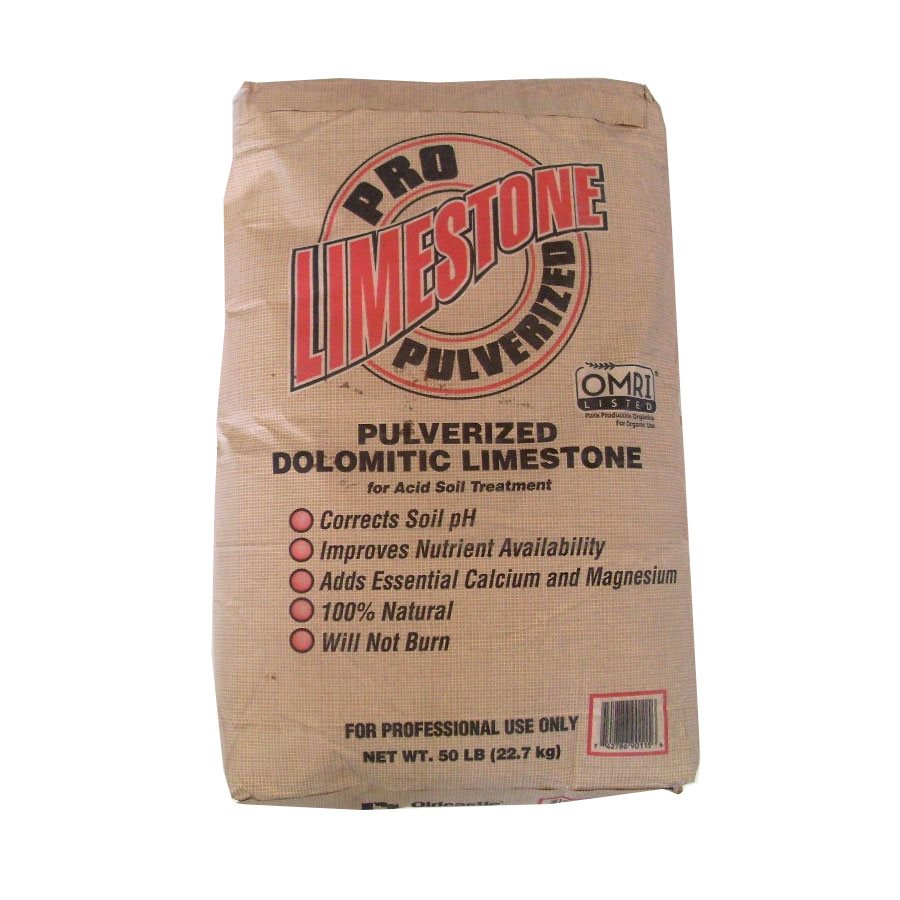
Calcaire dolomitique pulvérisé Pro-Select - 22,7 kg
Prix habituel
$29.84
Prix habituel
Prix promotionnel
$29.84
Frais d'expédition calculés à l'étape de paiement.
Store Availability
Newmarket, Ontario (Head Office)
1175 Stellar Drive, Unit #5
Newmarket, ON L3Y 7B8
- Mon10:00am–6:00pm
- Tue10:00am–6:00pm
- Wed10:00am–6:00pm
- Thu10:00am–6:00pm
- Fri10:00am–6:00pm
- Sat10:00am–4:00pm
- SunClosed


Barrie, Ontario
106 Saunders Road, Unit #2A
Barrie, ON L4N 9A8
- Mon10:00am–5:00pm
- Tue10:00am–5:00pm
- Wed10:00am–5:00pm
- Thu10:00am–5:00pm
- Fri10:00am–5:00pm
- Sat10:00am–3:00pm
- SunClosed
Winnipeg, Manitoba
915 McLeod Avenue, Unit #4
Winnipeg, MB R2G 0Y4
- Mon10:00am–6:00pm
- Tue10:00am–6:00pm
- Wed10:00am–6:00pm
- Thu10:00am–6:00pm
- Fri10:00am–6:00pm
- Sat11:00am–3:00pm
- SunClosed
Quantité
In-Store Pickup Only
Sign in required
Back-in-stock notification
Select the store locations where you’d like to pick up this item, or choose Shipping to have it delivered.
Email notifications are turned off
Turn on email marketing to receive back-in-stock notifications.
Open account profile
Special order request
Select the store where you’d prefer to pick up your special order. To choose a different store, unselect your current choice first.
Description
Description
Description
La chaux dolomitique pulvérisée Oldcastle Pro-Select est un amendement du sol à base de calcaire dolomitique pour les pelouses et les jardins, conçu pour corriger le pH du sol et l'acidité du sol afin que les plantes puissent accéder plus efficacement aux nutriments.
Cette chaux de jardin est un produit calcaire fin et pulvérisé, conçu pour un amendement simple du sol lorsque vous travaillez avec un sol acide. En aidant à neutraliser l'acidité, elle favorise un environnement plus équilibré dans la zone racinaire et peut améliorer la disponibilité globale des nutriments dans le sol. C'est un choix pratique pour les jardiniers et les gestionnaires de gazon qui souhaitent un matériau de chaulage fiable et de qualité professionnelle sans compliquer leur programme d'entretien du sol.
Étant un calcaire dolomitique, il apporte également les éléments secondaires calcium et magnésium, deux nutriments sur lesquels de nombreux sols comptent pour une structure solide et un développement végétal régulier. Le calcium joue un rôle clé dans la structure du sol et la fonction racinaire, tandis que le magnésium soutient les processus végétaux fondamentaux liés à une croissance verte saine. Ensemble, ces avantages font de la chaux dolomitique pulvérisée Oldcastle Pro-Select une option solide lorsque vous visez une performance plus stable de votre plan de fertilisation existant, en particulier dans les zones où l'acidité peut freiner les plantes.
Oldcastle Pro-Select est positionné comme un amendement économique pour sols acides qui offre néanmoins des résultats professionnels pour le gazon et les aménagements paysagers ornementaux. Il est souvent choisi pour une large couverture des pelouses et des jardins où une correction cohérente du pH du sol est importante sur le long terme, et où les cultivateurs souhaitent un apport calcaire naturel qui s'intègre proprement dans les routines d'entretien du sol standard. Si vous avez observé des signes d'acidification de votre sol, comme une vigueur réduite, une croissance inégale ou des difficultés à maintenir des performances constantes, ce type de calcaire dolomitique pulvérisé est un moyen ciblé de ramener le sol à une plage plus exploitable.
Couche de faits : il s'agit d'un produit calcaire dolomitique, constitué de carbonates de calcaire associés au calcium et au magnésium (y compris le carbonate de calcium et le carbonate de magnésium). Ce sont ces minéraux carbonatés qui fournissent l'action de chaulage et l'apport de calcium et de magnésium qui distingue la chaux dolomitique de la chaux calcique.
Ce produit convient parfaitement aux cultivateurs et aux paysagistes qui recherchent une chaux pour pelouse et jardin axée sur la correction du pH du sol, la neutralisation de l'acidité du sol et l'apport de calcium et de magnésium, en particulier dans les installations extérieures basées sur le sol où le conditionnement à long terme du sol fait partie de l'objectif.
Avantages du produit : Stade végétatif ; Stade de floraison ; Intérieur ; Extérieur ; Arrosage régulier ; Sol ; Hors-sol ; Biologique ; Soutien de l'acidité du sol ; Meilleure absorption des nutriments ; Zone racinaire équilibrée ; Apport de calcium ; Apport de magnésium ; Soutien de la structure du sol ; Performance constante ; Format poudre facile.
Analyse garantie : Calcium (Ca) : 20,0 % ; Magnésium (Mg) : 10,0 % ; Valeur neutralisante (CaCO3) : 90,0 % ; Finesse passe au tamis Tyler de 10 Mesh : 99,0 % ; Finesse passe au tamis Tyler de 100 Mesh : 42,0 %.
Dérivé de : Dolomite.
Cette chaux de jardin est un produit calcaire fin et pulvérisé, conçu pour un amendement simple du sol lorsque vous travaillez avec un sol acide. En aidant à neutraliser l'acidité, elle favorise un environnement plus équilibré dans la zone racinaire et peut améliorer la disponibilité globale des nutriments dans le sol. C'est un choix pratique pour les jardiniers et les gestionnaires de gazon qui souhaitent un matériau de chaulage fiable et de qualité professionnelle sans compliquer leur programme d'entretien du sol.
Étant un calcaire dolomitique, il apporte également les éléments secondaires calcium et magnésium, deux nutriments sur lesquels de nombreux sols comptent pour une structure solide et un développement végétal régulier. Le calcium joue un rôle clé dans la structure du sol et la fonction racinaire, tandis que le magnésium soutient les processus végétaux fondamentaux liés à une croissance verte saine. Ensemble, ces avantages font de la chaux dolomitique pulvérisée Oldcastle Pro-Select une option solide lorsque vous visez une performance plus stable de votre plan de fertilisation existant, en particulier dans les zones où l'acidité peut freiner les plantes.
Oldcastle Pro-Select est positionné comme un amendement économique pour sols acides qui offre néanmoins des résultats professionnels pour le gazon et les aménagements paysagers ornementaux. Il est souvent choisi pour une large couverture des pelouses et des jardins où une correction cohérente du pH du sol est importante sur le long terme, et où les cultivateurs souhaitent un apport calcaire naturel qui s'intègre proprement dans les routines d'entretien du sol standard. Si vous avez observé des signes d'acidification de votre sol, comme une vigueur réduite, une croissance inégale ou des difficultés à maintenir des performances constantes, ce type de calcaire dolomitique pulvérisé est un moyen ciblé de ramener le sol à une plage plus exploitable.
Couche de faits : il s'agit d'un produit calcaire dolomitique, constitué de carbonates de calcaire associés au calcium et au magnésium (y compris le carbonate de calcium et le carbonate de magnésium). Ce sont ces minéraux carbonatés qui fournissent l'action de chaulage et l'apport de calcium et de magnésium qui distingue la chaux dolomitique de la chaux calcique.
Ce produit convient parfaitement aux cultivateurs et aux paysagistes qui recherchent une chaux pour pelouse et jardin axée sur la correction du pH du sol, la neutralisation de l'acidité du sol et l'apport de calcium et de magnésium, en particulier dans les installations extérieures basées sur le sol où le conditionnement à long terme du sol fait partie de l'objectif.
Avantages du produit : Stade végétatif ; Stade de floraison ; Intérieur ; Extérieur ; Arrosage régulier ; Sol ; Hors-sol ; Biologique ; Soutien de l'acidité du sol ; Meilleure absorption des nutriments ; Zone racinaire équilibrée ; Apport de calcium ; Apport de magnésium ; Soutien de la structure du sol ; Performance constante ; Format poudre facile.
Analyse garantie : Calcium (Ca) : 20,0 % ; Magnésium (Mg) : 10,0 % ; Valeur neutralisante (CaCO3) : 90,0 % ; Finesse passe au tamis Tyler de 10 Mesh : 99,0 % ; Finesse passe au tamis Tyler de 100 Mesh : 42,0 %.
Dérivé de : Dolomite.
How To Use
How To Use
How to Use Dolomitic Limestone With a Basic Soil pH Tester
Best practices for different gardening uses
Warnings & Safety
Warnings & Safety
Important – Safety Information
General Safety Precautions
First Aid – Skin Contact
First Aid – Eye Contact
First Aid – Ingestion
First aid – Inhalation
Storage And Handling
Important – Medical
Guaranteed Minimum Analysis
Guaranteed Minimum Analysis
| Calcium (Ca) | 20.0% |
|---|---|
| Magnesium (Mg) | 10.0% |
| Neutralizing value (CaCO3) | 90.0% |
| Fineness Passes 10 Mesh Tyler Screen | 99.0% |
| Fineness Passes 100 Mesh Tyler Screen | 42.0% |
Derived From
Derived From
Frequently Asked Questions
Frequently Asked Questions
Why is calcium important for plant growth?
Why is neutralizing value (CaCO3) important in plant growing?
What does dolomite do for plants in the root zone?
What are common signs of magnesium deficiency in plants?
What does “passes 10 mesh” mean for a garden soil amendment?
What does “passes 100 mesh” mean and why do gardeners care?
Frequently purchased together
-
HOT ITEM
Farine de luzerne verte Gaia - 1 kg
Prix habituel $17.99Prix habituel -
-
Farine d'os verte Gaia - 2 kg
Prix habituel $23.99Prix habituel -
HOT ITEM
Gaia Green Power Bloom - 2 kg
Prix habituel $29.99Prix habituel
Reviews are submitted by verified customers after purchase. This section shows a summary of product feedback rather than the full individual review list.