

Frequently purchased together
-
Culture actuelle Végétarien A - 1 pinte
Prix habituel $23.78Prix habituel -
Current Culture Veg B - 1 pinte
Prix habituel $23.78Prix habituel -
Current Culture Bud Booster Early - 1 pinte
Prix habituel $28.88Prix habituel


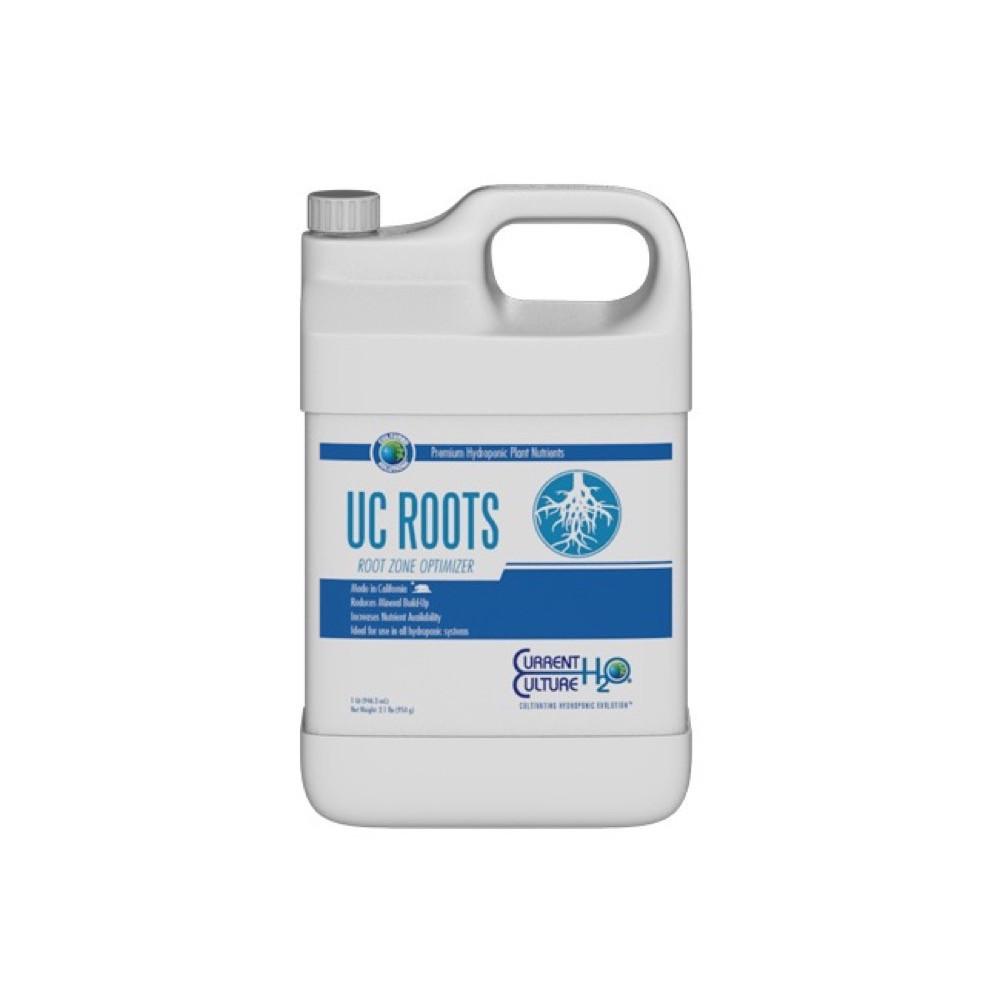
Racines UC Current Culture - 1 gallon
Newmarket, Ontario (Head Office)
1175 Stellar Drive, Unit #5
Newmarket, ON L3Y 7B8
- Mon10:00am–6:00pm
- Tue10:00am–6:00pm
- Wed10:00am–6:00pm
- Thu10:00am–6:00pm
- Fri10:00am–6:00pm
- Sat10:00am–4:00pm
- SunClosed


Barrie, Ontario
106 Saunders Road, Unit #2A
Barrie, ON L4N 9A8
- Mon10:00am–5:00pm
- Tue10:00am–5:00pm
- Wed10:00am–5:00pm
- Thu10:00am–5:00pm
- Fri10:00am–5:00pm
- Sat10:00am–3:00pm
- SunClosed
Winnipeg, Manitoba
915 McLeod Avenue, Unit #4
Winnipeg, MB R2G 0Y4
- Mon10:00am–6:00pm
- Tue10:00am–6:00pm
- Wed10:00am–6:00pm
- Thu10:00am–6:00pm
- Fri10:00am–6:00pm
- Sat11:00am–3:00pm
- SunClosed
Sign in required
Back-in-stock notification
Select the store locations where you’d like to pick up this item, or choose Shipping to have it delivered.
Special order request
Select the store where you’d prefer to pick up your special order. To choose a different store, unselect your current choice first.
Description
Description
Description
UC Roots est conçu pour réduire les dépôts minéraux dans le substrat et l'équipement d'irrigation, ce qui en fait un choix pratique pour l'entretien quotidien de la qualité de l'eau dans les jardins actifs. Le tartre minéral peut se former sur les surfaces au fil du temps, et cette accumulation peut interférer avec le mouvement constant de l'eau et même l'humidification. En se concentrant sur la réduction des dépôts minéraux, UC Roots favorise un environnement plus propre et plus prévisible autour des racines et à l'intérieur de l'équipement qui délivre l'eau.
La formule est basée sur l'acide hypochloreux comme principal ingrédient actif, délivré sous forme liquide aqueuse et transparente. Cette approche axée sur les minéraux et la qualité de l'eau clarifie le rôle du produit : soutenir le contrôle du tartre sans être une base nutritive. Si vous configurez une installation à recirculation ou si vous entretenez l'irrigation du substrat, UC Roots est un outil ciblé pour la gestion des dépôts minéraux plutôt qu'un additif général à multiples revendications.
La flexibilité du système est un autre avantage. UC Roots convient à la culture en eau profonde et à la culture en eau profonde à recirculation, ainsi qu'à la laine de roche, à la technique du film nutritif, au flux et reflux, au goutte-à-goutte et aux installations à recirculation à base de substrat. Il convient également aux systèmes de drainage vers les déchets où l'équipement d'irrigation et les émetteurs peuvent bénéficier d'un contrôle des dépôts minéraux au fil du temps. Cette large aptitude à l'hydroponie facilite la cohérence de votre approche d'entretien pour différents styles de culture.
UC Roots convient parfaitement aux cultivateurs qui souhaitent un détartrant minéral hydroponique qui reste axé sur le contrôle du tartre et la réduction des dépôts minéraux dans les systèmes hydroponiques courants, en particulier là où l'équipement d'irrigation, les lignes d'égouttement et le matériel de distribution du substrat doivent rester plus propres pour une performance fiable.
Avantages du produit : Stade végétatif ; Stade de floraison ; Intérieur ; Extérieur ; Arrosage régulier ; Systèmes d'arrosage ; Hydroponie ; Compatible avec la fibre de coco ; Sans sol ; Contrôle des résidus ; Contrôle du tartre ; Nettoyant pour irrigation ; Nettoyant pour substrat ; Lignes plus propres ; Utilisation multi-systèmes ; Résultats cohérents ; Formule concentrée.
Dérivé de : Acide hypochloreux.
How To Use
How To Use
How to Use Racines UC Current Culture - 1 gallon
Step-by-step mixing and feeding instructions for Racines UC Current Culture - 1 gallon.
Mixing & preparation
Fill your reservoir or watering container with clean, room-temperature water first. Shake the bottle of Racines UC Current Culture - 1 gallon well before every use. Using the feeding schedule below, measure the recommended dose and add it directly to the water while stirring. Allow the solution to mix fully before adding any other fertilizers, additives, or supplements.
Always add nutrients to water — not the other way around. Mix thoroughly between products to ensure an even, stable nutrient solution.
Week-by-week feeding schedule
Vegetative stage — UC Roots
- Week 1: mix 1.32 ml per litre of water or nutrient solution.
- Week 2: mix 1.32 ml per litre of water or nutrient solution.
- Week 3: mix 1.32 ml per litre of water or nutrient solution.
- Week 4: mix 1.32 ml per litre of water or nutrient solution.
Flowering stage — UC Roots
- Week 1: mix 1.32 ml per litre of water or nutrient solution.
- Week 2: mix 1.32 ml per litre of water or nutrient solution.
- Week 3: mix 1.32 ml per litre of water or nutrient solution.
- Week 4: mix 1.32 ml per litre of water or nutrient solution.
- Week 5: mix 1.32 ml per litre of water or nutrient solution.
- Week 6: mix 1.32 ml per litre of water or nutrient solution.
- Week 7: mix 1.32 ml per litre of water or nutrient solution.
- Week 8: mix 1.32 ml per litre of water or nutrient solution.
- Week 9: mix 2.64 ml per litre of water or nutrient solution.
Tips for best results
- Maintain pH and EC/ppm within the range recommended for your growing medium and crop.
- Use fresh nutrient solution whenever possible and avoid leaving mixed solution stagnant for long periods.
- Store nutrients in a cool, dark place away from direct sunlight and extreme temperatures.
- Keep bottles tightly sealed when not in use to reduce air exposure and preserve product quality.
- Use clean measuring tools and regularly rinse or clean your reservoir, lines, and irrigation equipment.
Common mistakes to avoid
- Do not mix different nutrients or additives together in concentrated form before adding them to water.
- Do not exceed the recommended dosage unless you are following a tested, crop-specific feeding plan.
- Do not skip pH or EC/ppm checks when growing in hydroponic or soilless systems.
- Do not allow the nutrient solution to freeze or overheat, as this can damage the formulation.
- Do not ignore the directions on the product label for your specific crop, growth stage, and system type.
Warnings & Safety
Warnings & Safety
Important – Safety Information
General Safety Precautions
First Aid – Skin Contact
First Aid – Eye Contact
First Aid – Ingestion
First aid – Inhalation
Storage And Handling
Important – Medical
Derived From
Derived From
Frequently Asked Questions
Frequently Asked Questions
Why is hypochlorous acid important for plants?
Safety & Technical Documents
Safety & Technical Documents
Frequently purchased together
-
Culture actuelle Végétarien A - 1 pinte
Prix habituel $23.78Prix habituel -
Current Culture Veg B - 1 pinte
Prix habituel $23.78Prix habituel -
Current Culture Bud Booster Early - 1 pinte
Prix habituel $28.88Prix habituel

Vegetative — UC Roots
-
—
Flowering — UC Roots
-
—