

Frequently purchased together
-
Mélange de CaMg Athena Nutrients - 1 gallon
Prix habituel $52.99Prix habituel -
Mélange de nutriments Athena Nutrients PK - 1 gallon
Prix habituel $52.50Prix habituel -
Athena Nutrients Pro Fade - 1 gallon
Prix habituel $53.17Prix habituel


Reviews are submitted by verified customers after purchase. This section shows a summary of product feedback rather than the full individual review list.

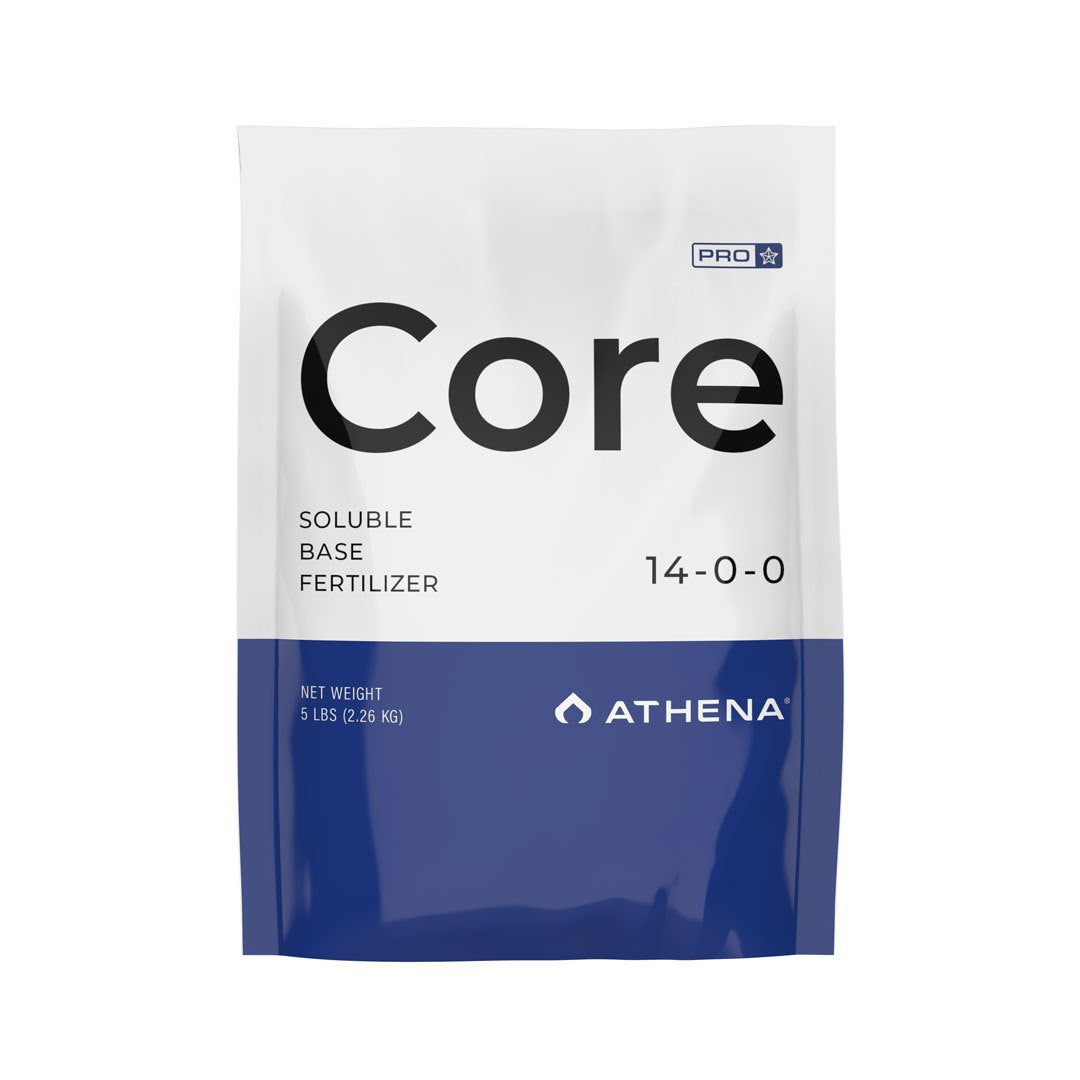
Athena Nutrients Pro Line Core - 10 lb
Prix habituel
$131.88
Prix habituel
Prix promotionnel
$131.88
Frais d'expédition calculés à l'étape de paiement.
Store Availability
Newmarket, Ontario (Head Office)
1175 Stellar Drive, Unit #5
Newmarket, ON L3Y 7B8
- Mon10:00am–6:00pm
- Tue10:00am–6:00pm
- Wed10:00am–6:00pm
- Thu10:00am–6:00pm
- Fri10:00am–6:00pm
- Sat10:00am–4:00pm
- SunClosed


Barrie, Ontario
106 Saunders Road, Unit #2A
Barrie, ON L4N 9A8
- Mon10:00am–5:00pm
- Tue10:00am–5:00pm
- Wed10:00am–5:00pm
- Thu10:00am–5:00pm
- Fri10:00am–5:00pm
- Sat10:00am–3:00pm
- SunClosed
Winnipeg, Manitoba
915 McLeod Avenue, Unit #4
Winnipeg, MB R2G 0Y4
- Mon10:00am–6:00pm
- Tue10:00am–6:00pm
- Wed10:00am–6:00pm
- Thu10:00am–6:00pm
- Fri10:00am–6:00pm
- Sat11:00am–3:00pm
- SunClosed
Estimated Delivery Date
Order Within
—
Province
Est. Delivery
—
Quantité
Not Eligible for Free Shipping
Sign in required
Back-in-stock notification
Select the store locations where you’d like to pick up this item, or choose Shipping to have it delivered.
Email notifications are turned off
Turn on email marketing to receive back-in-stock notifications.
Open account profile
Special order request
Select the store where you’d prefer to pick up your special order. To choose a different store, unselect your current choice first.
Manufacturer Recommended Products


Description
Description
Description
Athena Nutrients Pro Line Bloom, Grow, Core est un trio d'engrais secs solubles conçu pour couvrir la croissance végétative et la floraison avec une nutrition propre, uniquement minérale, pour les programmes d'irrigation professionnels. Cet ensemble d'engrais minéraux solubles est construit autour de rôles clairs : un engrais de base soluble pour la nutrition de référence, un engrais végétatif soluble pour le développement précoce et un engrais de floraison soluble pour une floraison productive.
Pro Core est l'élément fondamental, conçu pour fournir une nutrition de base à toutes les étapes de la croissance des plantes avec de l'azote, du calcium et des micro-éléments essentiels facilement disponibles. Cette combinaison soutient les fonctions fondamentales de la plante, telles que la formation de chlorophylle et d'acides aminés, le développement structurel et l'activité enzymatique liée à la photosynthèse. Lorsque vous souhaitez une base nutritive fiable et constante du début à la fin, Pro Core met l'accent sur des fondamentaux stables plutôt que sur des extras.
Pro Grow est axé sur la phase de croissance végétative, où une nutrition équilibrée favorise des racines solides et un feuillage luxuriant. Il est décrit comme un mélange d'engrais solubles formulé pour les cultivateurs commerciaux afin de rationaliser l'irrigation, avec un NPK équilibré et des micro-éléments essentiels dans le cadre de l'approche Pro Line. Athena signale également un choix de formulation : Pro Grow contient de l'azote essentiel pour la croissance végétative, tout en ne contenant pas d'urée ni d'azote ammoniacal, ce qui maintient le profil d'azote simple pour les programmes professionnels.
Pro Bloom est conçu pour les plantes à fleurs qui exigent davantage de phosphore et de potassium pour augmenter le volume des fleurs et soutenir une activité métabolique élevée. Il est présenté comme un mélange d'engrais de floraison idéal qui apporte des macro et micro-éléments, y compris du soufre qu'Athena associe à l'augmentation des saveurs. Pour les cultivateurs qui souhaitent un profil de phase de floraison propre, Pro Bloom reste axé sur la nutrition de floraison et le caractère final soutenu par le soufre, sans s'appuyer sur des stimulateurs séparés.
Sur toute la gamme, le facteur de différenciation pratique est la propreté : chaque produit est un engrais sec entièrement soluble, sans particules ni sédiments, conçu pour maintenir une formulation uniforme et facile à manipuler dans les routines à grande échelle. Le positionnement de la gamme Pro Line met l'accent sur une formule complète conçue pour réduire la recherche de carences, avec des apports uniquement minéraux et une approche simplifiée destinée aux environnements de fertigation professionnels.
La couche d'informations compactes est claire sur l'emballage : Pro Core est 14-0-0, Pro Grow est 2-8-20 et Pro Bloom est 0-12-24. Les principaux intrants du trio comprennent le nitrate de calcium et un ensemble de chélates de micro-éléments dans Core (chélates de fer, de manganèse, de cuivre et de zinc, plus de l'acide borique et du molybdate de sodium), ainsi que des sources de phosphate, de sulfate et de magnésium dans Grow et Bloom, Grow comprenant également du nitrate de potassium. Cet ensemble convient parfaitement aux cultivateurs professionnels qui souhaitent un programme d'engrais secs solubles avec une dissolution propre, des micro-éléments essentiels et un soutien spécifique à la phase pour la croissance végétative et la floraison.
Avantages du produit : Stade végétatif ; Stade de floraison ; Intérieur ; Extérieur ; Arrosage régulier ; Systèmes d'arrosage ; Hydroponie ; Compatible avec la fibre de coco ; Terre ; Hors-sol ; Nutrition de base ; Soutien toutes étapes ; Soutien en micronutriments ; Soutien à la photosynthèse ; Soutien à la chlorophylle ; Entièrement soluble dans l'eau ; Compatible avec les goutteurs ; Résultats constants.
Analyse garantie : Azote total (N) : 14,0 % ; Calcium (Ca) : 17,0 % ; Bore (B) : 0,015 % ; Cuivre chélaté (Cu) : 0,01 % ; Fer chélaté (Fe) : 0,1 % ; Manganèse chélaté (Mn) : 0,04 % ; Molybdène (Mo) : 0,01 % ; Zinc chélaté (Zn) : 0,013 %.
Dérivé de : Nitrate de calcium ; EDTA de fer ; EDTA de manganèse ; EDTA de cuivre ; EDTA de zinc ; Acide borique ; Molybdate de sodium.
Pro Core est l'élément fondamental, conçu pour fournir une nutrition de base à toutes les étapes de la croissance des plantes avec de l'azote, du calcium et des micro-éléments essentiels facilement disponibles. Cette combinaison soutient les fonctions fondamentales de la plante, telles que la formation de chlorophylle et d'acides aminés, le développement structurel et l'activité enzymatique liée à la photosynthèse. Lorsque vous souhaitez une base nutritive fiable et constante du début à la fin, Pro Core met l'accent sur des fondamentaux stables plutôt que sur des extras.
Pro Grow est axé sur la phase de croissance végétative, où une nutrition équilibrée favorise des racines solides et un feuillage luxuriant. Il est décrit comme un mélange d'engrais solubles formulé pour les cultivateurs commerciaux afin de rationaliser l'irrigation, avec un NPK équilibré et des micro-éléments essentiels dans le cadre de l'approche Pro Line. Athena signale également un choix de formulation : Pro Grow contient de l'azote essentiel pour la croissance végétative, tout en ne contenant pas d'urée ni d'azote ammoniacal, ce qui maintient le profil d'azote simple pour les programmes professionnels.
Pro Bloom est conçu pour les plantes à fleurs qui exigent davantage de phosphore et de potassium pour augmenter le volume des fleurs et soutenir une activité métabolique élevée. Il est présenté comme un mélange d'engrais de floraison idéal qui apporte des macro et micro-éléments, y compris du soufre qu'Athena associe à l'augmentation des saveurs. Pour les cultivateurs qui souhaitent un profil de phase de floraison propre, Pro Bloom reste axé sur la nutrition de floraison et le caractère final soutenu par le soufre, sans s'appuyer sur des stimulateurs séparés.
Sur toute la gamme, le facteur de différenciation pratique est la propreté : chaque produit est un engrais sec entièrement soluble, sans particules ni sédiments, conçu pour maintenir une formulation uniforme et facile à manipuler dans les routines à grande échelle. Le positionnement de la gamme Pro Line met l'accent sur une formule complète conçue pour réduire la recherche de carences, avec des apports uniquement minéraux et une approche simplifiée destinée aux environnements de fertigation professionnels.
La couche d'informations compactes est claire sur l'emballage : Pro Core est 14-0-0, Pro Grow est 2-8-20 et Pro Bloom est 0-12-24. Les principaux intrants du trio comprennent le nitrate de calcium et un ensemble de chélates de micro-éléments dans Core (chélates de fer, de manganèse, de cuivre et de zinc, plus de l'acide borique et du molybdate de sodium), ainsi que des sources de phosphate, de sulfate et de magnésium dans Grow et Bloom, Grow comprenant également du nitrate de potassium. Cet ensemble convient parfaitement aux cultivateurs professionnels qui souhaitent un programme d'engrais secs solubles avec une dissolution propre, des micro-éléments essentiels et un soutien spécifique à la phase pour la croissance végétative et la floraison.
Avantages du produit : Stade végétatif ; Stade de floraison ; Intérieur ; Extérieur ; Arrosage régulier ; Systèmes d'arrosage ; Hydroponie ; Compatible avec la fibre de coco ; Terre ; Hors-sol ; Nutrition de base ; Soutien toutes étapes ; Soutien en micronutriments ; Soutien à la photosynthèse ; Soutien à la chlorophylle ; Entièrement soluble dans l'eau ; Compatible avec les goutteurs ; Résultats constants.
Analyse garantie : Azote total (N) : 14,0 % ; Calcium (Ca) : 17,0 % ; Bore (B) : 0,015 % ; Cuivre chélaté (Cu) : 0,01 % ; Fer chélaté (Fe) : 0,1 % ; Manganèse chélaté (Mn) : 0,04 % ; Molybdène (Mo) : 0,01 % ; Zinc chélaté (Zn) : 0,013 %.
Dérivé de : Nitrate de calcium ; EDTA de fer ; EDTA de manganèse ; EDTA de cuivre ; EDTA de zinc ; Acide borique ; Molybdate de sodium.
Warnings & Safety
Warnings & Safety
Important – Safety Information
General Safety Precautions
First Aid – Skin Contact
First Aid – Eye Contact
First Aid – Ingestion
First aid – Inhalation
Storage And Handling
Important – Medical
Guaranteed Minimum Analysis
Guaranteed Minimum Analysis
| Total Nitrogen (N) | 14.0% |
|---|---|
| Calcium (Ca) | 17.0% |
| Boron (B) | 0.015% |
| Chelated Copper (Cu) | 0.01% |
| Chelated Iron (Fe) | 0.1% |
| Chelated Manganese (Mn) | 0.04% |
| Molybdenum (Mo) | 0.01% |
| Chelated Zinc (Zn) | 0.013% |
Frequently Asked Questions
Frequently Asked Questions
Why is total nitrogen (N) important for plant growth, and what makes it different from other nutrients?
Why is calcium important for plant growth?
Why is boron (B) essential for strong plant development, and what makes it different from other micronutrients?
Why is chelated copper (Cu) important for plant growth, and what makes it unique from other micronutrients?
Why is chelated iron important for plants, and what makes it different from other iron sources?
Why is chelated manganese (Mn) important for plant growth?
Why is molybdenum (Mo) important for plant growth?
Why is chelated zinc (Zn) important for plants?
Why do growers use calcium nitrate instead of other calcium sources?
Why is copper EDTA used in plant nutrition instead of plain copper?
What makes boric acid important for plants compared to other micronutrients?
What makes iron EDTA effective for fixing pale new leaves?
What makes manganese EDTA different from other manganese sources?
What makes zinc EDTA better for preventing zinc lockout?
What does sodium molybdate do for plants?
Safety & Technical Documents
Safety & Technical Documents
Frequently purchased together
-
Mélange de CaMg Athena Nutrients - 1 gallon
Prix habituel $52.99Prix habituel -
Mélange de nutriments Athena Nutrients PK - 1 gallon
Prix habituel $52.50Prix habituel -
Athena Nutrients Pro Fade - 1 gallon
Prix habituel $53.17Prix habituel
Reviews are submitted by verified customers after purchase. This section shows a summary of product feedback rather than the full individual review list.

Nutrient Feed Chart
Vegetative — Week 1
-
Pro Core—
-
Pro Grow—
-
Pro Bloom—
-
Cleanse—
Flowering — Week 1
-
Pro Core—
-
Pro Grow—
-
Pro Bloom—
-
Cleanse—
Vegetative — Week 1
-
Pro Core—
-
Pro Grow—
-
Pro Bloom—
-
Fade—
-
Cleanse—
Flowering — Week 1
-
Pro Core—
-
Pro Grow—
-
Pro Bloom—
-
Fade—
-
Cleanse—