跳至产品信息
1 / 1
Lost Coast US flag

Official Reseller

Provision Gardens is an official reseller of this brand.

Our inventory is sourced directly from the manufacturer and/or authorized distribution partners. We do not sell used items or unverified/old stock. This helps ensure product authenticity, freshness, and the high standard you expect.

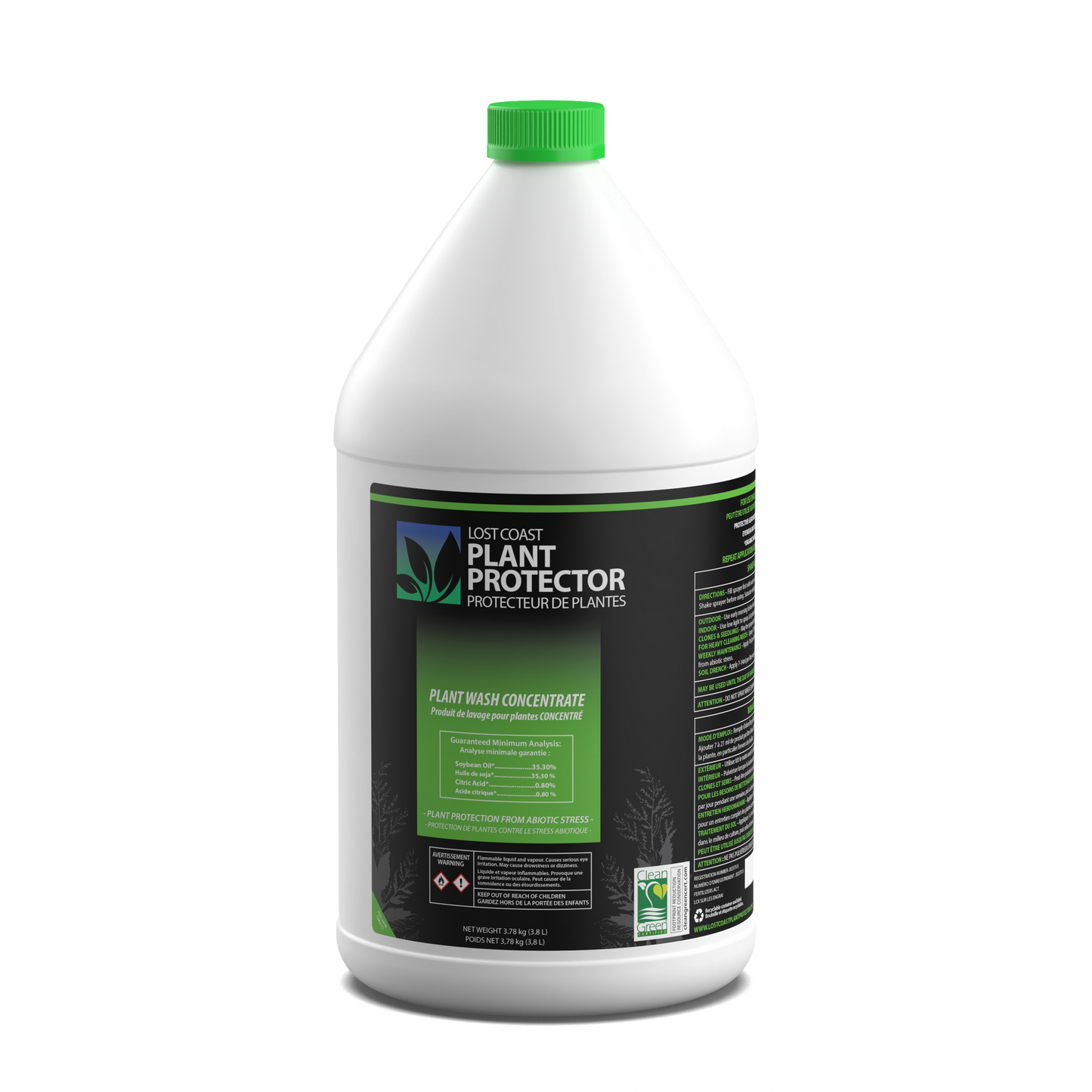
Lost Coast 植物保护剂 - 4 升

OTHER AVAILABLE SIZES / MODELS:

Store Availability
数量
Qualifies for Free Shipping Promotion
Special Order Item — Please Contact Us

Description

Description
Lost Coast植物保护剂是一种浓缩液体天然植物清洗剂,通过控制软体昆虫和减少白粉病、霉菌和真菌来帮助保护植物。

这款植物保护剂专为洁净、值得信赖的植物护理而设计,能有效解决常见的园艺问题,而无需使用刺激性、强效的化学品。其配方通过窒息和脱水作用来消灭软体昆虫、其幼虫和虫卵。它还能辅助控制白粉病,并有助于接触后减少霉菌和真菌,当您需要一种产品来解决多种问题而又不使您的日常工作复杂化时,它是一个实用的选择。

成分简单明了,经过精心挑选。Lost Coast植物保护剂包含大豆油、薄荷精油和柠檬酸作为主要活性成分,并辅以植物源肥皂混合物、化妆品级异丙醇和柠檬酸钠。这些成分共同作用,帮助配方均匀地涂覆在植物表面,同时保持方法简单且以植物为本。成分质量用“可生物降解”、“食品级”和“化妆品级”的简单术语描述,这非常符合那些在其园艺工具包中偏爱以成分为主选项的种植者的需求。

除了害虫和霉菌的压力外,这款天然植物清洗剂还定位于减少非生物胁迫。Lost Coast植物保护剂支持植物抵御与极端条件相关的非生物胁迫的能力,包括过热和过冷,以及干旱或洪涝胁迫。这使得它不仅在问题出现时有用,而且在生长季节环境变化多端,您希望为植物整体恢复力提供额外支持时也很有用。

日常使用体验旨在保持整洁。它能快速干燥,并被描述为温和的植物护理,这对于那些想要一种可靠的日常产品,又不想让植物看起来沉重不堪的人来说非常重要。它还被宣传为对益虫友好,声称不会伤害蜜蜂、瓢虫和螳螂——这对于重视平衡的庭院和花园生态系统的园丁来说是一个重要的考虑因素。

为了设置灵活性,Lost Coast植物保护剂适用于叶面喷施,自然融入室内植物护理、庭院和花园维护以及更广泛的园艺环境中,在这些环境中,持续覆盖和清洁处理至关重要。对于那些希望拥有含有大豆油、薄荷精油和柠檬酸的可生物降解成分植物保护剂的种植者来说,这是一款不错的选择,它以简单、以植物为中心的形式,旨在控制软体昆虫、白粉病和减少非生物胁迫。

产品益处:营养生长期;开花期;室内;室外;常规浇水;椰壳基质安全;叶面喷施;土壤;无土;有机;植物清洗剂;可叶面喷施;根部浇灌;易混合;植物健康。

保证分析:大豆油:35.3%;柠檬酸:0.8%。

源自:大豆油;薄荷精油;柠檬酸;肥皂;异丙醇;柠檬酸钠。

规格:有机:是。

Warnings & Safety

General Safety Precautions

Read and follow all instructions on the product label and any accompanying documentation before use. Keep out of reach of children and pets. Do not ingest. Avoid breathing vapours, mist, or dust that may be generated during handling or use.

Wear appropriate personal protective equipment (PPE), such as protective gloves, long sleeves, long pants and closed-toe footwear. When there is a risk of splashing or airborne particles, use safety glasses or other suitable eye and face protection.

First Aid – Skin Contact

IF ON SKIN OR HAIR: Remove contaminated clothing immediately. Rinse skin with clean water for several minutes, then wash with mild soap and water. If irritation or redness develops and persists, seek medical attention. Wash contaminated clothing before reuse.

First Aid – Eye Contact

IF IN EYES: Rinse cautiously with clean water for several minutes, keeping eyelids open. Remove contact lenses if present and easy to do. Continue rinsing. If irritation persists, obtain medical advice.

First Aid – Ingestion

IF SWALLOWED: Rinse mouth thoroughly with water. Do not induce vomiting unless instructed by a medical professional. Seek medical attention if you feel unwell.

First aid – Inhalation

IF INHALED: Move the person to fresh air and keep them comfortable for breathing. If coughing, breathing difficulty, dizziness or other symptoms occur, seek medical assistance.

Storage And Handling

Store this product in its original closed container, in a cool, dry and well-ventilated area. Protect from extreme temperatures and direct sunlight. Keep container tightly sealed when not in use.

Avoid release to drains, natural waterways or outdoor soil. Dispose of unused product and empty containers in accordance with local regulations and the directions on the label.

Important – Medical

If medical advice is needed, keep the product label or container available. Always follow the specific instructions and safety recommendations provided by the manufacturer. This safety notice is intended as general guidance and does not replace official label directions or documentation.

Pest & Disease Control Safety

Use this product only as directed on the product label. Pest and disease control products, including liquids, sprays, powders, granules, sticky traps, and traps, may cause irritation or other adverse effects if used incorrectly. Read the full product label before use and follow all precautions, application directions, placement directions, and restrictions.

Label & Manufacturer Directions

Always follow the official product label, package directions, and manufacturer safety information. Check the manufacturer website or official product documentation for the most complete and current usage, safety, storage, and disposal details. This notice is general guidance and does not replace the product label.

Application & Placement Safety

Apply, place, or install only as directed. Avoid contact with skin, eyes, and clothing. Avoid breathing spray mist, vapour, or dust. Do not use near food, drinks, uncovered water sources, or areas where children or pets may contact the product unless the label specifically allows it.

Liquid & Spray Handling

When handling liquids or sprays, avoid splashing and avoid breathing spray mist or vapour. Use in a well-ventilated area and keep the container tightly closed when not in use. Wash hands after handling and follow the product label for dilution, application, and cleanup directions.

Guaranteed Minimum Analysis

Specifications

Organic Yes

Frequently Asked Questions

Why is soybean oil important in plant pest sprays, and what makes it unique?

Soybean oil is important because it helps control certain pests by coating them on contact, reducing pest pressure without relying on a long-lasting toxic residue. It’s unique from many other pesticide ingredients because success depends on coverage and timing, making it a physical, contact-based tool rather than a systemic or persistent chemical control.

Why is citric acid important for plant growth?

Citric acid helps improve nutrient availability by gently lowering pH and binding certain minerals so they stay more usable for roots, which can reduce common lockout symptoms like pale new growth. It’s unique because it influences nutrient behavior beyond pH alone, making it especially helpful when nutrients are present but not being absorbed efficiently.

Is soy oil a fertilizer or a pest-control spray ingredient?

Soy oil is not a fertilizer because it doesn’t provide plant nutrients in a usable way; it’s mainly a spray ingredient that works through physical contact and improved coverage, which makes it unique from many pest-control tools that rely on long-lasting chemical activity.

Can peppermint essential oil harm plant leaves?

Yes, it can if it’s too strong or sprayed in a way that leaves concentrated oil droplets on foliage, because peppermint essential oil is highly concentrated and volatile, making it very different from gentle plant extracts or nutrients. Used at a light dilution and aimed mostly around the plant as a deterrent tool, it can help discourage pests without stressing the plant.

Can soap sprays harm plant leaves even if they control pests?

Yes, because soap is a contact ingredient that can also disrupt the leaf’s protective wax layer, so an overly strong mix, hot light, or frequent spraying can cause spotting or burn. That risk is what makes soap unique: it works by physical membrane disruption on soft-bodied pests, but that same action can stress plant tissue if you use more than the plant can tolerate.

Can isopropyl alcohol damage plant leaves when used in pest sprays?

Yes, because it’s a fast-acting solvent that can strip the leaf’s protective wax and cause localized burn where droplets sit, even while it helps sprays wet pests more evenly. It’s important because it can quickly improve contact against surface pests and residues, but it’s unique from soaps and oils because it evaporates fast and relies on brief surface disruption rather than a lingering film.

What does sodium citrate do in a nutrient solution for plants?

Sodium citrate helps stabilize solution behavior by mildly buffering pH and keeping some minerals from dropping out, but it’s unique because it also adds sodium, which can build up over time and disrupt potassium and water uptake if overused.

Safety & Technical Documents

查看完整详细信息

Product Comparison