Frequently purchased together
-
Growth Technology Complete Focus - 1 升
常规价格 $32.14常规价格 -
Growth Technology GT 叶面肥 - 500 毫升
常规价格 $19.99常规价格 -
Growth Technology GT 二氧化硅 - 1 升
常规价格 $31.16常规价格 -
Growth Technology 叶面肥 - 250 毫升
常规价格 $18.50常规价格


Reviews are submitted by verified customers after purchase. This section shows a summary of product feedback rather than the full individual review list.

Lechuza Pon Substrate - 18 升
Store Availability
Newmarket, Ontario (Head Office)
1175 Stellar Drive, Unit #5
Newmarket, ON L3Y 7B8
- Mon10:00am–6:00pm
- Tue10:00am–6:00pm
- Wed10:00am–6:00pm
- Thu10:00am–6:00pm
- Fri10:00am–6:00pm
- Sat10:00am–4:00pm
- SunClosed


Barrie, Ontario
106 Saunders Road, Unit #2A
Barrie, ON L4N 9A8
- Mon10:00am–5:00pm
- Tue10:00am–5:00pm
- Wed10:00am–5:00pm
- Thu10:00am–5:00pm
- Fri10:00am–5:00pm
- Sat10:00am–3:00pm
- SunClosed
Winnipeg, Manitoba
915 McLeod Avenue, Unit #4
Winnipeg, MB R2G 0Y4
- Mon10:00am–6:00pm
- Tue10:00am–6:00pm
- Wed10:00am–6:00pm
- Thu10:00am–6:00pm
- Fri10:00am–6:00pm
- Sat11:00am–3:00pm
- SunClosed
Estimated Delivery Date
Order Within
—
Province
Est. Delivery
—
数量
Sign in required
Back-in-stock notification
Select the store locations where you’d like to pick up this item, or choose Shipping to have it delivered.
Email notifications are turned off
Turn on email marketing to receive back-in-stock notifications.
Open account profile
Special order request
Select the store where you’d prefer to pick up your special order. To choose a different store, unselect your current choice first.
Description
Description
Description
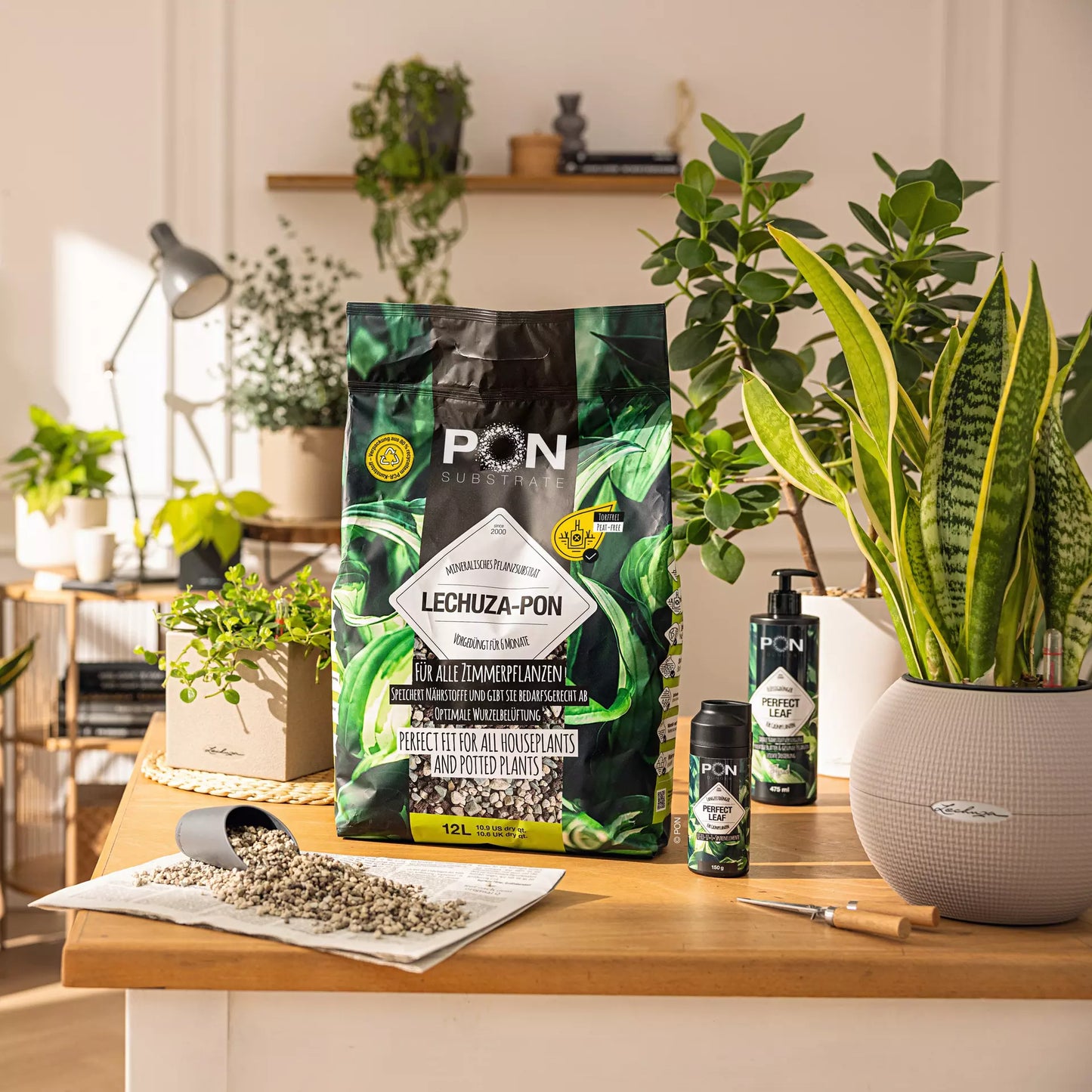
Lechuza Pon 是一种用于室内植物的 Lechuza 矿物植物基质,旨在清洁、无土的生长介质中支持根部通气、排水和稳定的养分供应。这种纯矿物植物基质是一种植物盆栽基质和室内植物生长介质,围绕盆栽植物的需求而设计,特别是那些寻求整洁、无泥炭的日常植物护理选择的购物者。
该配方旨在实现出色的排水性能和最佳的根部通气,有助于保持根区开放、透气,并减少水涝压力。其特殊成分还可作为水和养分的储库,将它们保存在基质结构中,并根据需要释放给植物。这使得 Lechuza Pon 非常适合那些想要更可控的基质感觉而无需厚重、结块土壤的植物主人。
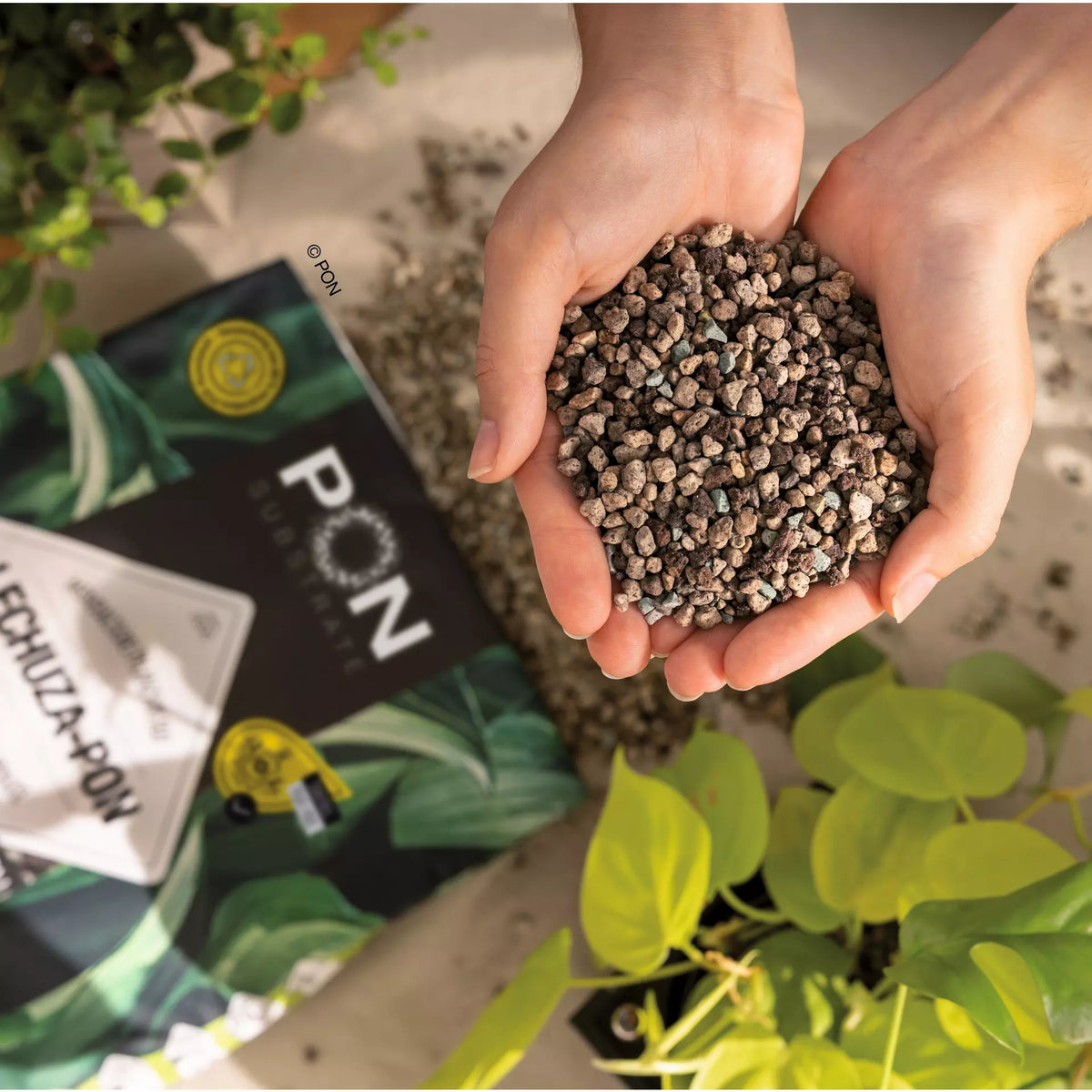
Lechuza Pon 由沸石、浮石、熔岩和缓释肥料制成。矿物基质有助于基质保持体积稳定,因此它能保持其结构,并且不会随着时间的推移轻易压实或结块。添加的长期肥料支持茂盛的绿色生长,而稳定的 pH 值有助于为室内植物创造更稳定的根部条件。它也适用于食用植物,这使其在室内植物收藏中具有更广泛的灵活性。
这种无泥炭矿物基质适用于所有室内植物,并与原始的 Lechuza 灌溉系统紧密相关。其养分和水的储存、高排水能力以及可重复使用的结构使其适用于装饰性室内花盆、自浇水花盆和清洁的植物展示。纯矿物基质还为室内空间提供了更清洁的外观,在这些空间中,土壤脏乱、真菌蚋和霉菌是常见的担忧。
Lechuza Pon 非常适合那些想要专业品质、无泥炭植物基质的植物主人,该基质在一个简单的介质中支持根部通气、养分供应、储水和稳定结构。
产品优点:更好的通气;排水支持;保水性;养分保持;空气-水平衡;减少压实;缓慢养分释放;害虫防御;室内;室外;开花期;营养生长期;无土;水培。
保证分析:总氮 (N):14.7%;硝态氮 (N):6.6%;氨态氮 (N):8.1%;五氧化二磷 (P2O5):11.0%;氧化钾 (K2O):14.2%;微量营养素/微量元素:2.0 ME。
来源:浮石;火山岩;沸石;缓释肥料。
该配方旨在实现出色的排水性能和最佳的根部通气,有助于保持根区开放、透气,并减少水涝压力。其特殊成分还可作为水和养分的储库,将它们保存在基质结构中,并根据需要释放给植物。这使得 Lechuza Pon 非常适合那些想要更可控的基质感觉而无需厚重、结块土壤的植物主人。
Lechuza Pon 由沸石、浮石、熔岩和缓释肥料制成。矿物基质有助于基质保持体积稳定,因此它能保持其结构,并且不会随着时间的推移轻易压实或结块。添加的长期肥料支持茂盛的绿色生长,而稳定的 pH 值有助于为室内植物创造更稳定的根部条件。它也适用于食用植物,这使其在室内植物收藏中具有更广泛的灵活性。
这种无泥炭矿物基质适用于所有室内植物,并与原始的 Lechuza 灌溉系统紧密相关。其养分和水的储存、高排水能力以及可重复使用的结构使其适用于装饰性室内花盆、自浇水花盆和清洁的植物展示。纯矿物基质还为室内空间提供了更清洁的外观,在这些空间中,土壤脏乱、真菌蚋和霉菌是常见的担忧。
Lechuza Pon 非常适合那些想要专业品质、无泥炭植物基质的植物主人,该基质在一个简单的介质中支持根部通气、养分供应、储水和稳定结构。
产品优点:更好的通气;排水支持;保水性;养分保持;空气-水平衡;减少压实;缓慢养分释放;害虫防御;室内;室外;开花期;营养生长期;无土;水培。
保证分析:总氮 (N):14.7%;硝态氮 (N):6.6%;氨态氮 (N):8.1%;五氧化二磷 (P2O5):11.0%;氧化钾 (K2O):14.2%;微量营养素/微量元素:2.0 ME。
来源:浮石;火山岩;沸石;缓释肥料。
How To Use
How To Use
Planting Instructions
Guaranteed Minimum Analysis
Guaranteed Minimum Analysis
| Total Nitrogen (N) | 14.7% |
|---|---|
| Nitrate Nitrogen (N) | 6.6% |
| Ammoniacal Nitrogen (N) | 8.1% |
| Phosphorus Pentoxide (P2O5) | 11.0% |
| Potassium Oxide (K2O) | 14.2% |
| Micronutrients / Trace Elements | 2.0 ME |
Derived From
Derived From
Frequently Asked Questions
Frequently Asked Questions
Why is total nitrogen (N) important for plant growth, and what makes it different from other nutrients?
What does nitrate nitrogen (N) do for plants?
What Is ammoniacal nitrogen (N) and why do plants need It?
Why is phosphorus pentoxide (P2O5) important for plant growth?
Why is potassium oxide (K2O) important for plant growth, and what makes it different from other nutrients?
Is pumice better than perlite for plant soil mixes?
What does lava rock do for plant roots?
What does zeolite do for plants?
What makes slow release fertilizer different from regular fertilizer?
Frequently purchased together
-
Growth Technology Complete Focus - 1 升
常规价格 $32.14常规价格 -
Growth Technology GT 叶面肥 - 500 毫升
常规价格 $19.99常规价格 -
Growth Technology GT 二氧化硅 - 1 升
常规价格 $31.16常规价格 -
Growth Technology 叶面肥 - 250 毫升
常规价格 $18.50常规价格
Reviews are submitted by verified customers after purchase. This section shows a summary of product feedback rather than the full individual review list.