Frequently purchased together
-
-
-
-
GardenPro室内植物肥料 2-1-3 - 1公斤
常规价格 $17.77常规价格


Reviews are submitted by verified customers after purchase. This section shows a summary of product feedback rather than the full individual review list.

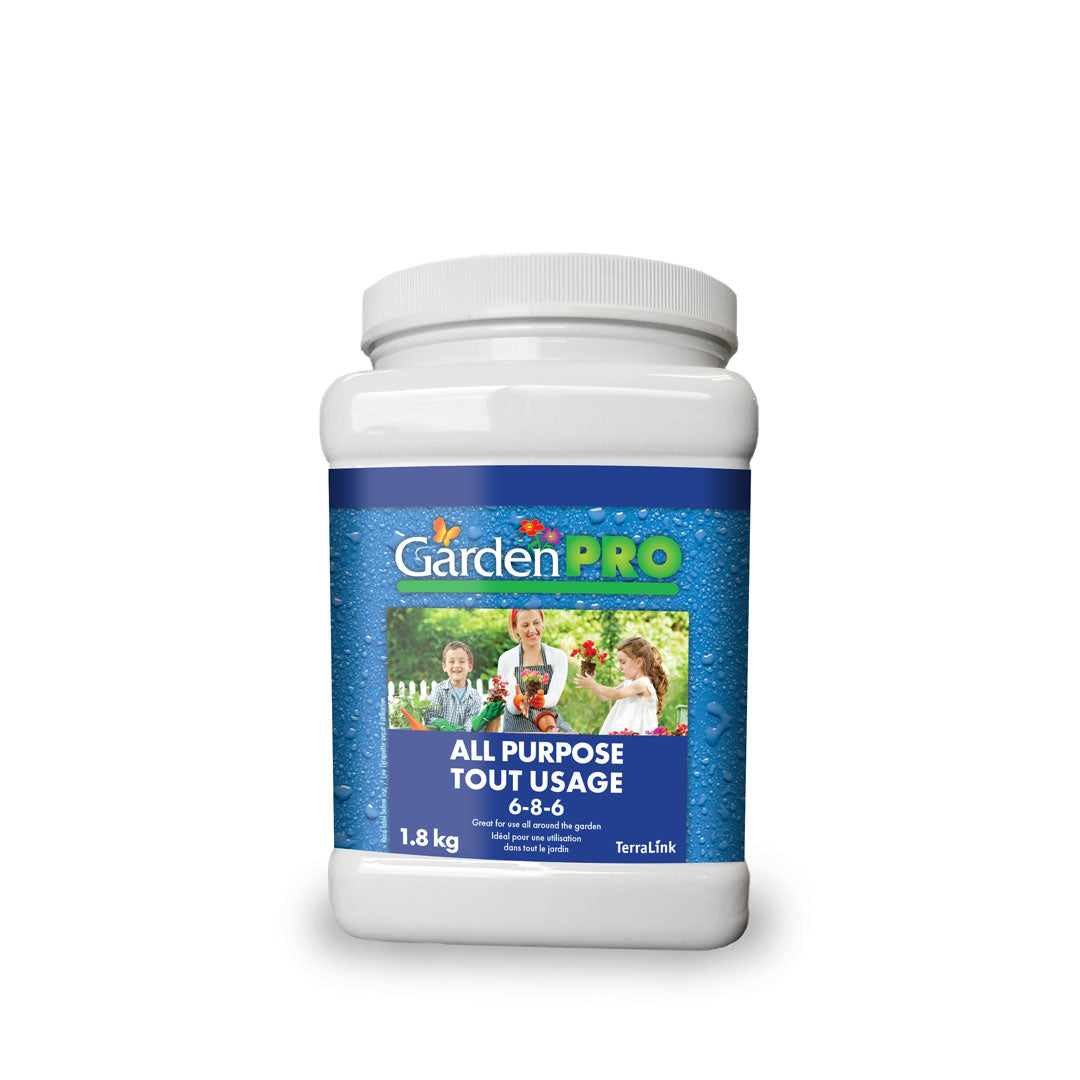
GardenPro 多用途肥料 6-8-6 - 1.8 公斤
Store Availability
Newmarket, Ontario (Head Office)
1175 Stellar Drive, Unit #5
Newmarket, ON L3Y 7B8
- Mon10:00am–6:00pm
- Tue10:00am–6:00pm
- Wed10:00am–6:00pm
- Thu10:00am–6:00pm
- Fri10:00am–6:00pm
- Sat10:00am–4:00pm
- SunClosed


Barrie, Ontario
106 Saunders Road, Unit #2A
Barrie, ON L4N 9A8
- Mon10:00am–5:00pm
- Tue10:00am–5:00pm
- Wed10:00am–5:00pm
- Thu10:00am–5:00pm
- Fri10:00am–5:00pm
- Sat10:00am–3:00pm
- SunClosed
Winnipeg, Manitoba
915 McLeod Avenue, Unit #4
Winnipeg, MB R2G 0Y4
- Mon10:00am–6:00pm
- Tue10:00am–6:00pm
- Wed10:00am–6:00pm
- Thu10:00am–6:00pm
- Fri10:00am–6:00pm
- Sat11:00am–3:00pm
- SunClosed
Estimated Delivery Date
Order Within
—
Province
Est. Delivery
—
数量
Sign in required
Back-in-stock notification
Select the store locations where you’d like to pick up this item, or choose Shipping to have it delivered.
Email notifications are turned off
Turn on email marketing to receive back-in-stock notifications.
Open account profile
Special order request
Select the store where you’d prefer to pick up your special order. To choose a different store, unselect your current choice first.
Description
Description
Description
GardenPRO通用型6-8-6是一款适用于蔬菜、灌木、花卉和草坪的通用型园艺肥料,旨在作为日常植物营养的通用颗粒肥料。它专为希望拥有一款可靠选择的园丁而设计,可用于花坛、花境和草坪,而无需为每个区域更换产品。
这款经典的常备肥料将6-8-6的氮磷钾混合物与颗粒海带和额外微量元素相结合。这种经海带和微量元素强化的配方使其有别于基本的“仅含氮磷钾”的颗粒肥料,使其成为家庭花园的常见货架产品,为多种植物类型提供广泛而均衡的支持。
GardenPRO通用型6-8-6适用于蔬菜、灌木和花卉,因此很容易在一年生植物和多年生植物共用同一土壤的混合花园空间中常备。它也很适合灌木和季节性花卉共同维护的观赏花坛,因为该产品被定位为单一的通用选择,而不是狭窄的专业混合物。
在草坪养护方面,它适用于新草坪和已建立的草坪,使其在草坪日常维护中与花园花坛一起发挥实际作用。产品信息还强调了早春已建立草坪的施肥时间,这与季节性草坪工作相符,许多园丁会在冬季后补充营养。在整个生长季节提供持续支持是其预期范围的一部分,这使得它成为喜欢一致、可重复施肥方式的园丁的直接选择。
事实层面保持简洁并以买家为中心:这是一种含有颗粒海带和微量元素的颗粒肥料,产品名称上标明了单一的通用氮磷钾比例。没有需要解读的专业技术声明,除了作为GardenPRO家庭和园艺肥料系列中改进的受欢迎产品之外,没有复杂的定位。
GardenPRO通用型6-8-6非常适合希望拥有一款通用园艺肥料的园丁,它涵盖了蔬菜、灌木和花卉,以及新草坪和已建立的草坪,并采用经海带和微量元素强化的颗粒配方,适用于早春和生长季节的园艺养护。
产品益处:营养生长阶段;开花阶段;室内;室外;定期浇水;土壤;无土;均衡营养;适用于菜园;广泛植物使用;适用于花坛;适用于草坪;微量元素支持;稳定施肥;可重复混合。
保证分析:总氮 (N):6.0%;有效磷酸 (P2O5):8.0%;可溶性钾 (K2O):6.0%;硫 (S):1.5%;总铁 (Fe):0.1%;锌 (Zn):0.08%。
这款经典的常备肥料将6-8-6的氮磷钾混合物与颗粒海带和额外微量元素相结合。这种经海带和微量元素强化的配方使其有别于基本的“仅含氮磷钾”的颗粒肥料,使其成为家庭花园的常见货架产品,为多种植物类型提供广泛而均衡的支持。
GardenPRO通用型6-8-6适用于蔬菜、灌木和花卉,因此很容易在一年生植物和多年生植物共用同一土壤的混合花园空间中常备。它也很适合灌木和季节性花卉共同维护的观赏花坛,因为该产品被定位为单一的通用选择,而不是狭窄的专业混合物。
在草坪养护方面,它适用于新草坪和已建立的草坪,使其在草坪日常维护中与花园花坛一起发挥实际作用。产品信息还强调了早春已建立草坪的施肥时间,这与季节性草坪工作相符,许多园丁会在冬季后补充营养。在整个生长季节提供持续支持是其预期范围的一部分,这使得它成为喜欢一致、可重复施肥方式的园丁的直接选择。
事实层面保持简洁并以买家为中心:这是一种含有颗粒海带和微量元素的颗粒肥料,产品名称上标明了单一的通用氮磷钾比例。没有需要解读的专业技术声明,除了作为GardenPRO家庭和园艺肥料系列中改进的受欢迎产品之外,没有复杂的定位。
GardenPRO通用型6-8-6非常适合希望拥有一款通用园艺肥料的园丁,它涵盖了蔬菜、灌木和花卉,以及新草坪和已建立的草坪,并采用经海带和微量元素强化的颗粒配方,适用于早春和生长季节的园艺养护。
产品益处:营养生长阶段;开花阶段;室内;室外;定期浇水;土壤;无土;均衡营养;适用于菜园;广泛植物使用;适用于花坛;适用于草坪;微量元素支持;稳定施肥;可重复混合。
保证分析:总氮 (N):6.0%;有效磷酸 (P2O5):8.0%;可溶性钾 (K2O):6.0%;硫 (S):1.5%;总铁 (Fe):0.1%;锌 (Zn):0.08%。
How To Use
How To Use
Vegetables, Shrubs & Flowers
New Lawns
Established Lawns
Warnings & Safety
Warnings & Safety
Important – Safety Information
General Safety Precautions
First Aid – Skin Contact
First Aid – Eye Contact
First Aid – Ingestion
First aid – Inhalation
Storage And Handling
Important – Medical
Guaranteed Minimum Analysis
Guaranteed Minimum Analysis
| Total Nitrogen (N) | 6.0% |
|---|---|
| Available Phosphoric Acid (P2O5) | 8.0% |
| Soluble Potash (K2O) | 6.0% |
| Sulfur (S) | 1.5% |
| Total Iron (Fe) | 0.1% |
| Zinc (Zn) | 0.08% |
Frequently Asked Questions
Frequently Asked Questions
Why is total nitrogen (N) important for plant growth, and what makes it different from other nutrients?
What does available phosphoric acid (P₂O₅) do for plants, and how is it different from available phosphate?
Why is soluble potash (K2O) important for plants?
Why is sulfur (S) important for plant growth?
Why is total iron (Fe) important for plant growth?
Why is zinc (Zn) important for plant growth?
Frequently purchased together
-
-
-
-
GardenPro室内植物肥料 2-1-3 - 1公斤
常规价格 $17.77常规价格
Reviews are submitted by verified customers after purchase. This section shows a summary of product feedback rather than the full individual review list.