Frequently purchased together
-
 HOT ITEM
Gaia 绿色苜蓿粉 - 1 公斤
常规价格 $18.46常规价格 -
盖亚绿羽毛粉 - 1.5公斤
常规价格 $18.43常规价格 -
盖亚绿血粉 - 1.5公斤
常规价格 $24.28常规价格 -


Reviews are submitted by verified customers after purchase. This section shows a summary of product feedback rather than the full individual review list.

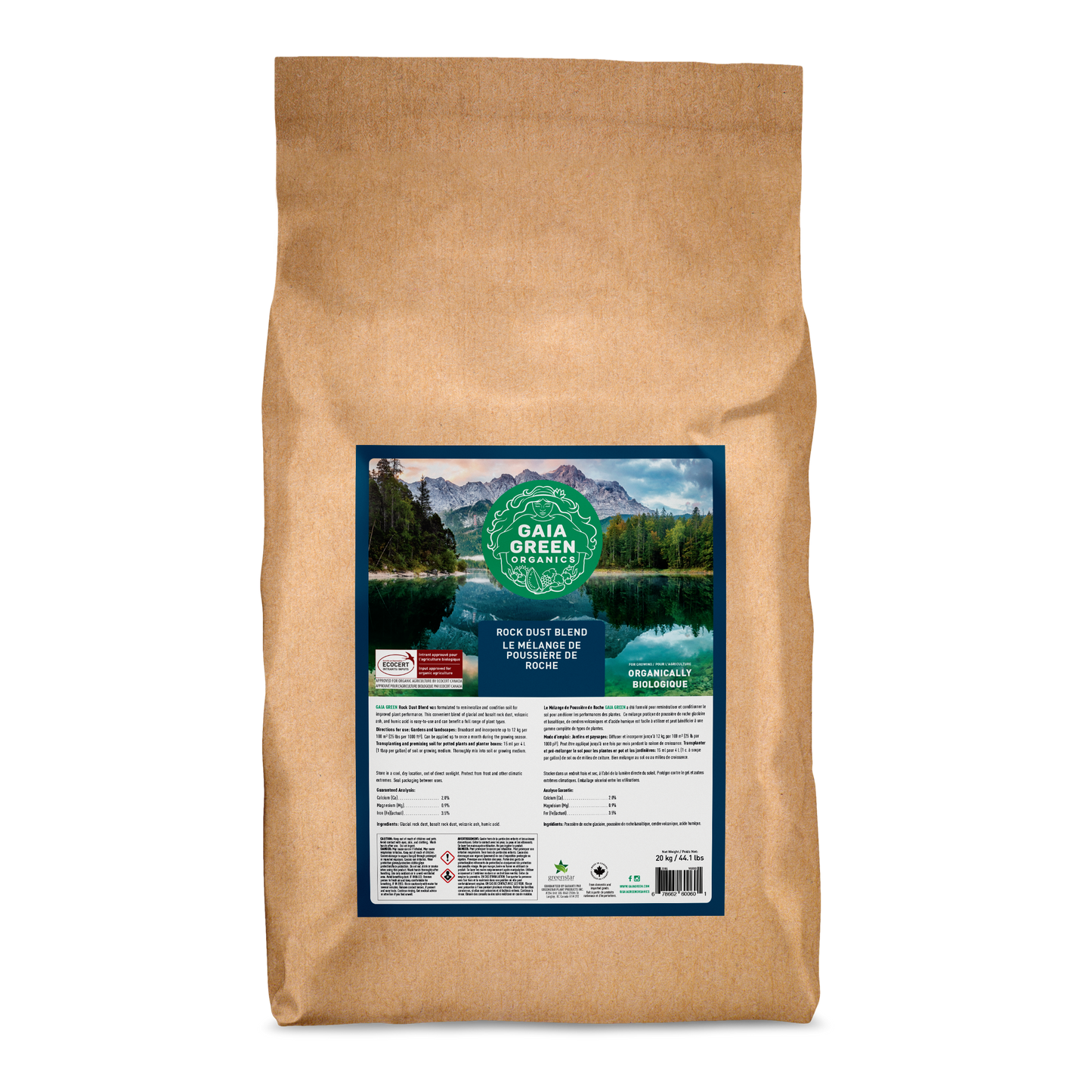
盖亚绿色岩粉混合物 - 20 公斤
Store Availability
Newmarket, Ontario (Head Office)
1175 Stellar Drive, Unit #5
Newmarket, ON L3Y 7B8
- Mon10:00am–6:00pm
- Tue10:00am–6:00pm
- Wed10:00am–6:00pm
- Thu10:00am–6:00pm
- Fri10:00am–6:00pm
- Sat10:00am–4:00pm
- SunClosed


Barrie, Ontario
106 Saunders Road, Unit #2A
Barrie, ON L4N 9A8
- Mon10:00am–5:00pm
- Tue10:00am–5:00pm
- Wed10:00am–5:00pm
- Thu10:00am–5:00pm
- Fri10:00am–5:00pm
- Sat10:00am–3:00pm
- SunClosed
Winnipeg, Manitoba
915 McLeod Avenue, Unit #4
Winnipeg, MB R2G 0Y4
- Mon10:00am–6:00pm
- Tue10:00am–6:00pm
- Wed10:00am–6:00pm
- Thu10:00am–6:00pm
- Fri10:00am–6:00pm
- Sat11:00am–3:00pm
- SunClosed
数量
Sign in required
Back-in-stock notification
Select the store locations where you’d like to pick up this item, or choose Shipping to have it delivered.
Email notifications are turned off
Turn on email marketing to receive back-in-stock notifications.
Open account profile
Special order request
Select the store where you’d prefer to pick up your special order. To choose a different store, unselect your current choice first.
Description
Description
Description
Gaia Green岩石粉混合物是一种岩石粉土壤改良剂,提供天然矿物质和微量元素,以支持植物茁壮成长。这种矿物土壤改良剂专为希望通过一种可靠投入来简单地增强土壤长期矿物结构的种植者而设计。
本质上,这种岩石粉混合物包含岩石粉和腐植酸的混合物,使其成为植物茁壮成长所需的天然矿物质和微量元素的来源。该混合物由冰川岩石粉、玄武岩和火山岩石粉与腐植酸混合而成,将多种矿物质来源集中于一个产品中。简要来说,它来源于冰川岩石粉、玄武岩石粉、火山灰和腐植酸。
岩石粉投入通常用于提供广泛的基础支持,而非快速的“一周”改变,Gaia Green岩石粉混合物也同样如此。它含有多种微量元素,支持健康的植物生长和土壤生物活动,这对于您长期目标是建立更具弹性的根区时至关重要。这种微量矿物质支持与对土壤生命的关注相结合,有助于使您的生长环境更好地自然循环养分。
另一个关键特点是其质地和稠度。Gaia Green岩石粉混合物经过精细研磨,以提高养分的可利用性,从而使矿物质投入发挥更可靠的性能。当岩石粉被精细研磨时,它更容易均匀分布在土壤和混合物中,并且产品的目的保持清晰:更好地获取配方旨在提供的天然矿物质和微量元素。
本产品可用于农场、家庭花园、景观和草坪,适用于各种植物类型。它非常适合希望获得以矿物质为基础的产品,既支持健康的植物生长又支持土壤生物活动的种植者,特别是当您想要一种单一的岩石粉混合物而非分别采购多种岩石粉投入的便利时。
产品益处:营养生长期;开花期;室内;室外;椰糠安全;土壤;无土;有机;微量矿物质支持;生长支持;土壤生物支持;植物可吸收养分;广泛植物使用;有机质;缓慢养分释放。
保证分析:钙 (Ca):2.0%;总镁 (Mg):0.9%;总铁 (Fe):3.5%。
来源于:冰川岩石粉;玄武岩石粉;火山灰;腐植酸。
本质上,这种岩石粉混合物包含岩石粉和腐植酸的混合物,使其成为植物茁壮成长所需的天然矿物质和微量元素的来源。该混合物由冰川岩石粉、玄武岩和火山岩石粉与腐植酸混合而成,将多种矿物质来源集中于一个产品中。简要来说,它来源于冰川岩石粉、玄武岩石粉、火山灰和腐植酸。
岩石粉投入通常用于提供广泛的基础支持,而非快速的“一周”改变,Gaia Green岩石粉混合物也同样如此。它含有多种微量元素,支持健康的植物生长和土壤生物活动,这对于您长期目标是建立更具弹性的根区时至关重要。这种微量矿物质支持与对土壤生命的关注相结合,有助于使您的生长环境更好地自然循环养分。
另一个关键特点是其质地和稠度。Gaia Green岩石粉混合物经过精细研磨,以提高养分的可利用性,从而使矿物质投入发挥更可靠的性能。当岩石粉被精细研磨时,它更容易均匀分布在土壤和混合物中,并且产品的目的保持清晰:更好地获取配方旨在提供的天然矿物质和微量元素。
本产品可用于农场、家庭花园、景观和草坪,适用于各种植物类型。它非常适合希望获得以矿物质为基础的产品,既支持健康的植物生长又支持土壤生物活动的种植者,特别是当您想要一种单一的岩石粉混合物而非分别采购多种岩石粉投入的便利时。
产品益处:营养生长期;开花期;室内;室外;椰糠安全;土壤;无土;有机;微量矿物质支持;生长支持;土壤生物支持;植物可吸收养分;广泛植物使用;有机质;缓慢养分释放。
保证分析:钙 (Ca):2.0%;总镁 (Mg):0.9%;总铁 (Fe):3.5%。
来源于:冰川岩石粉;玄武岩石粉;火山灰;腐植酸。
Warnings & Safety
Warnings & Safety
Important – Safety Information
General Safety Precautions
First Aid – Skin Contact
First Aid – Eye Contact
First Aid – Ingestion
First aid – Inhalation
Storage And Handling
Important – Medical
Guaranteed Minimum Analysis
Guaranteed Minimum Analysis
| Calcium (Ca) | 2.0% |
|---|---|
| Total Magnesium (Mg) | 0.9% |
| Total Iron (Fe) | 3.5% |
Derived From
Derived From
Frequently Asked Questions
Frequently Asked Questions
Why is calcium important for plant growth?
Why is total magnesium (Mg) important for plant growth?
Why is total iron (Fe) important for plant growth?
What is basalt rock dust used for in gardening?
Why is humic acid important for plant growth?
What does glacial rock dust actually do for plants?
Is volcanic ash a fertilizer or a soil mineral amendment?
Frequently purchased together
-
HOT ITEM
Gaia 绿色苜蓿粉 - 1 公斤
常规价格 $18.46常规价格 -
盖亚绿羽毛粉 - 1.5公斤
常规价格 $18.43常规价格 -
盖亚绿血粉 - 1.5公斤
常规价格 $24.28常规价格 -
Reviews are submitted by verified customers after purchase. This section shows a summary of product feedback rather than the full individual review list.