

Frequently purchased together
-
Athena Nutrients 混合钙镁肥 - 1 加仑
常规价格 $52.99常规价格 -
Athena Nutrients 混合系列 PK - 1 加仑
常规价格 $52.50常规价格 -
Athena Nutrients Pro Fade - 1 加仑
常规价格 $53.17常规价格


Reviews are submitted by verified customers after purchase. This section shows a summary of product feedback rather than the full individual review list.

Store Availability
Newmarket, Ontario (Head Office)
1175 Stellar Drive, Unit #5
Newmarket, ON L3Y 7B8
- Mon10:00am–6:00pm
- Tue10:00am–6:00pm
- Wed10:00am–6:00pm
- Thu10:00am–6:00pm
- Fri10:00am–6:00pm
- Sat10:00am–4:00pm
- SunClosed


Barrie, Ontario
106 Saunders Road, Unit #2A
Barrie, ON L4N 9A8
- Mon10:00am–5:00pm
- Tue10:00am–5:00pm
- Wed10:00am–5:00pm
- Thu10:00am–5:00pm
- Fri10:00am–5:00pm
- Sat10:00am–3:00pm
- SunClosed
Winnipeg, Manitoba
915 McLeod Avenue, Unit #4
Winnipeg, MB R2G 0Y4
- Mon10:00am–6:00pm
- Tue10:00am–6:00pm
- Wed10:00am–6:00pm
- Thu10:00am–6:00pm
- Fri10:00am–6:00pm
- Sat11:00am–3:00pm
- SunClosed
Estimated Delivery Date
Order Within
—
Province
Est. Delivery
—
数量
Qualifies for Free Shipping Promotion
Sign in required
Back-in-stock notification
Select the store locations where you’d like to pick up this item, or choose Shipping to have it delivered.
Email notifications are turned off
Turn on email marketing to receive back-in-stock notifications.
Open account profile
Special order request
Select the store where you’d prefer to pick up your special order. To choose a different store, unselect your current choice first.
Manufacturer Recommended Products


Description
Description
Description
雅典娜营养液专业系列花期、生长期、核心型是一种干溶性肥料三件套,专为通过洁净的纯矿物质营养覆盖植物营养生长和开花期而设计,适用于专业灌溉方案。这套可溶性矿物肥料围绕明确的职责构建:一种可溶性基肥用于基础营养,一种可溶性营养生长期肥料用于早期发育,以及一种可溶性开花期肥料用于高产开花。
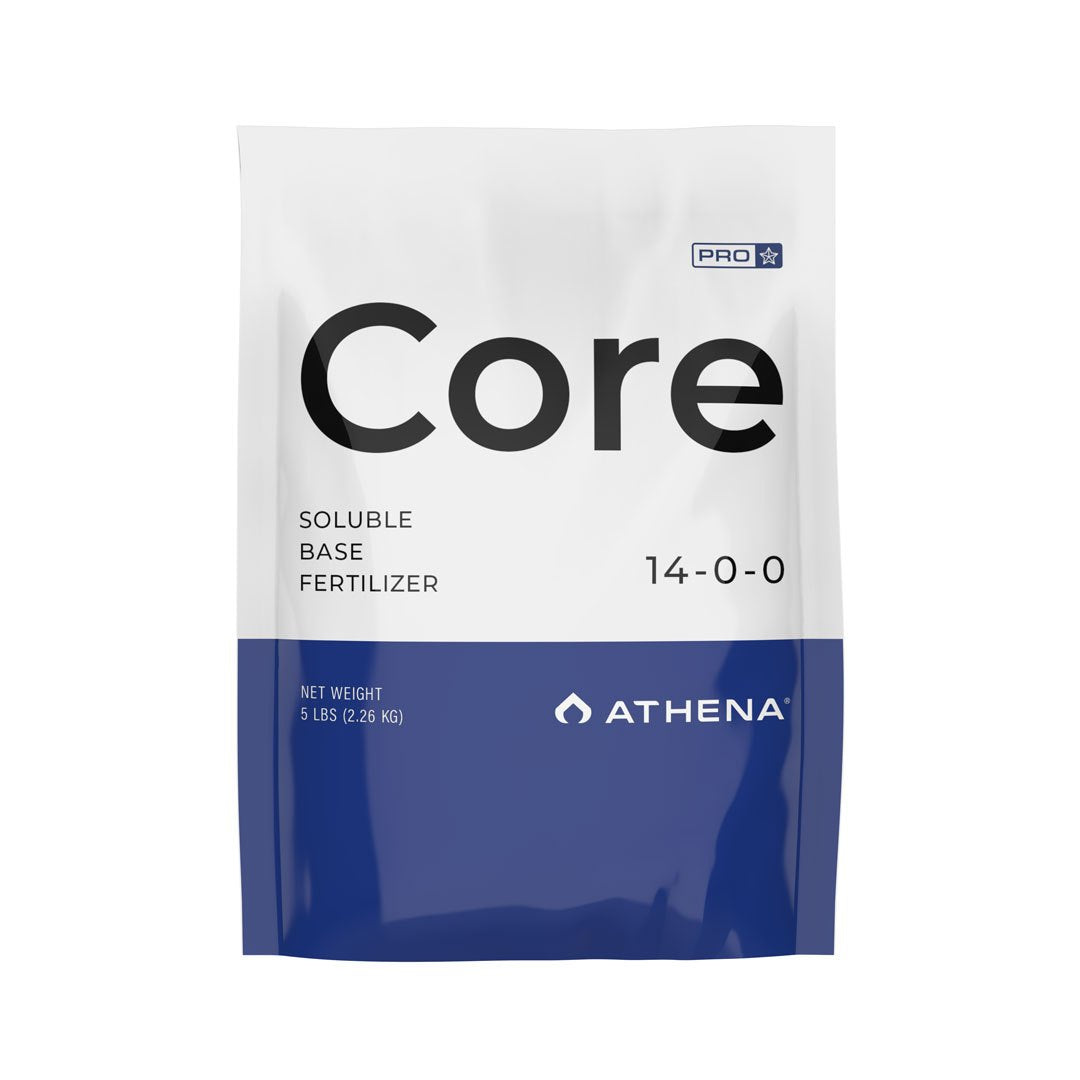
专业核心型是基础部分,旨在通过现成的氮、钙和必需微量元素,在植物生长的所有阶段提供基础营养。这种组合支持植物的核心功能,如叶绿素和氨基酸的形成、结构发育以及与光合作用相关的酶活性。当您需要一个从始至终保持一致的可靠营养骨架时,专业核心型将重点放在稳定的基本要素上,而不是额外的添加剂。
专业生长期专注于营养生长期,均衡的营养支持强大的根系和茂盛的叶子。它被描述为一种可溶性肥料混合物,专为商业种植者配制,旨在简化灌溉,作为专业系列方法的一部分,提供均衡的氮磷钾和必需微量元素。雅典娜还指出了一种配方选择:专业生长期含有营养生长所需的必需氮,同时不含尿素或氨态氮,从而为专业方案保持了直接的氮素构成。
专业花期型专为需要更高磷和钾来增加花朵体积和支持高代谢活性的开花植物而设计。它被定位为一种理想的开花期肥料混合物,提供宏量和微量元素,包括雅典娜认为能增加风味的硫。对于希望拥有干净花期曲线的种植者来说,专业花期型专注于开花营养和硫支持的最终特性,而无需依赖单独的助剂。
整个系列的实际区别在于清洁度:每种产品都是一种完全可溶的干肥,没有颗粒或沉淀物,旨在保持配方均匀并在大规模操作中易于处理。专业系列的定位强调一种完整的配方,旨在减少对缺陷的追求,采用纯矿物质投入和为专业施肥环境设计的精简方法。
紧凑型事实层在包装上清晰可见:专业核心型为14-0-0,专业生长期为2-8-20,专业花期型为0-12-24。这三款产品的主要成分包括:核心型中的硝酸钙和微量元素螯合剂(铁、锰、铜和锌螯合物以及硼酸和钼酸钠),以及生长期和花期型中的磷酸盐、硫酸盐和镁源,生长期型还包含硝酸钾。这套产品非常适合寻求干溶性肥料方案的专业种植者,该方案具有清洁溶解性、必需微量元素以及针对营养生长和开花期的分阶段支持。
产品优点:营养生长期;开花期;室内;室外;常规浇水;灌溉系统;水培;椰糠安全;土壤;无土;基础营养;全阶段支持;微量元素支持;光合作用支持;叶绿素支持;完全水溶性;滴灌友好;持续效果。
保证分析:总氮 (N): 14.0%;钙 (Ca): 17.0%;硼 (B): 0.015%;螯合铜 (Cu): 0.01%;螯合铁 (Fe): 0.1%;螯合锰 (Mn): 0.04%;钼 (Mo): 0.01%;螯合锌 (Zn): 0.013%。
源自:硝酸钙;EDTA铁;EDTA锰;EDTA铜;EDTA锌;硼酸;钼酸钠。
专业核心型是基础部分,旨在通过现成的氮、钙和必需微量元素,在植物生长的所有阶段提供基础营养。这种组合支持植物的核心功能,如叶绿素和氨基酸的形成、结构发育以及与光合作用相关的酶活性。当您需要一个从始至终保持一致的可靠营养骨架时,专业核心型将重点放在稳定的基本要素上,而不是额外的添加剂。
专业生长期专注于营养生长期,均衡的营养支持强大的根系和茂盛的叶子。它被描述为一种可溶性肥料混合物,专为商业种植者配制,旨在简化灌溉,作为专业系列方法的一部分,提供均衡的氮磷钾和必需微量元素。雅典娜还指出了一种配方选择:专业生长期含有营养生长所需的必需氮,同时不含尿素或氨态氮,从而为专业方案保持了直接的氮素构成。
专业花期型专为需要更高磷和钾来增加花朵体积和支持高代谢活性的开花植物而设计。它被定位为一种理想的开花期肥料混合物,提供宏量和微量元素,包括雅典娜认为能增加风味的硫。对于希望拥有干净花期曲线的种植者来说,专业花期型专注于开花营养和硫支持的最终特性,而无需依赖单独的助剂。
整个系列的实际区别在于清洁度:每种产品都是一种完全可溶的干肥,没有颗粒或沉淀物,旨在保持配方均匀并在大规模操作中易于处理。专业系列的定位强调一种完整的配方,旨在减少对缺陷的追求,采用纯矿物质投入和为专业施肥环境设计的精简方法。
紧凑型事实层在包装上清晰可见:专业核心型为14-0-0,专业生长期为2-8-20,专业花期型为0-12-24。这三款产品的主要成分包括:核心型中的硝酸钙和微量元素螯合剂(铁、锰、铜和锌螯合物以及硼酸和钼酸钠),以及生长期和花期型中的磷酸盐、硫酸盐和镁源,生长期型还包含硝酸钾。这套产品非常适合寻求干溶性肥料方案的专业种植者,该方案具有清洁溶解性、必需微量元素以及针对营养生长和开花期的分阶段支持。
产品优点:营养生长期;开花期;室内;室外;常规浇水;灌溉系统;水培;椰糠安全;土壤;无土;基础营养;全阶段支持;微量元素支持;光合作用支持;叶绿素支持;完全水溶性;滴灌友好;持续效果。
保证分析:总氮 (N): 14.0%;钙 (Ca): 17.0%;硼 (B): 0.015%;螯合铜 (Cu): 0.01%;螯合铁 (Fe): 0.1%;螯合锰 (Mn): 0.04%;钼 (Mo): 0.01%;螯合锌 (Zn): 0.013%。
源自:硝酸钙;EDTA铁;EDTA锰;EDTA铜;EDTA锌;硼酸;钼酸钠。
Warnings & Safety
Warnings & Safety
Important – Safety Information
General Safety Precautions
First Aid – Skin Contact
First Aid – Eye Contact
First Aid – Ingestion
First aid – Inhalation
Storage And Handling
Important – Medical
Guaranteed Minimum Analysis
Guaranteed Minimum Analysis
| Total Nitrogen (N) | 14.0% |
|---|---|
| Calcium (Ca) | 17.0% |
| Boron (B) | 0.015% |
| Chelated Copper (Cu) | 0.01% |
| Chelated Iron (Fe) | 0.1% |
| Chelated Manganese (Mn) | 0.04% |
| Molybdenum (Mo) | 0.01% |
| Chelated Zinc (Zn) | 0.013% |
Frequently Asked Questions
Frequently Asked Questions
Why is total nitrogen (N) important for plant growth, and what makes it different from other nutrients?
Why is calcium important for plant growth?
Why is boron (B) essential for strong plant development, and what makes it different from other micronutrients?
Why is chelated copper (Cu) important for plant growth, and what makes it unique from other micronutrients?
Why is chelated iron important for plants, and what makes it different from other iron sources?
Why is chelated manganese (Mn) important for plant growth?
Why is molybdenum (Mo) important for plant growth?
Why is chelated zinc (Zn) important for plants?
Why do growers use calcium nitrate instead of other calcium sources?
Why is copper EDTA used in plant nutrition instead of plain copper?
What makes boric acid important for plants compared to other micronutrients?
What makes iron EDTA effective for fixing pale new leaves?
What makes manganese EDTA different from other manganese sources?
What makes zinc EDTA better for preventing zinc lockout?
What does sodium molybdate do for plants?
Safety & Technical Documents
Safety & Technical Documents
Frequently purchased together
-
Athena Nutrients 混合钙镁肥 - 1 加仑
常规价格 $52.99常规价格 -
Athena Nutrients 混合系列 PK - 1 加仑
常规价格 $52.50常规价格 -
Athena Nutrients Pro Fade - 1 加仑
常规价格 $53.17常规价格
Reviews are submitted by verified customers after purchase. This section shows a summary of product feedback rather than the full individual review list.

Nutrient Feed Chart
Vegetative — Week 1
-
Pro Core—
-
Pro Grow—
-
Pro Bloom—
-
Cleanse—
Flowering — Week 1
-
Pro Core—
-
Pro Grow—
-
Pro Bloom—
-
Cleanse—
Vegetative — Week 1
-
Pro Core—
-
Pro Grow—
-
Pro Bloom—
-
Fade—
-
Cleanse—
Flowering — Week 1
-
Pro Core—
-
Pro Grow—
-
Pro Bloom—
-
Fade—
-
Cleanse—