Frequently purchased together
-
Gaia Green Alfalfa Meal - 1 KG
Regular price $18.46Regular price -
 HOT ITEM
Gaia Green All Purpose - 2 KG
Regular price $27.99Regular price -
Gaia Green Bone Meal - 2 KG
Regular price $23.99Regular price -
 HOT ITEM
Gaia Green Power Bloom - 2 KG
Regular price $29.99Regular price


Reviews are submitted by verified customers after purchase. This section shows a summary of product feedback rather than the full individual review list.

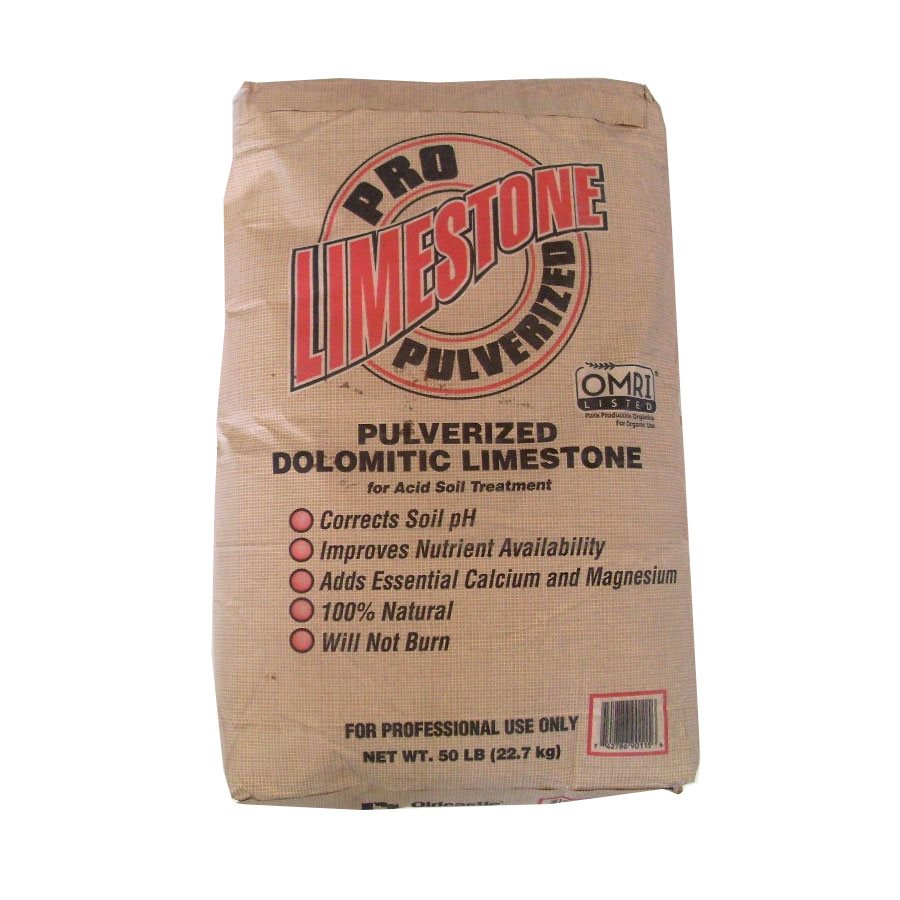
Pro-Select Dolomitic Pulverized Limestone - 50 LB
Regular price
$29.84
Regular price
Sale price
$29.84
Shipping calculated at checkout.
Store Availability
Newmarket, Ontario (Head Office)
1175 Stellar Drive, Unit #5
Newmarket, ON L3Y 7B8
- Mon10:00am–6:00pm
- Tue10:00am–6:00pm
- Wed10:00am–6:00pm
- Thu10:00am–6:00pm
- Fri10:00am–6:00pm
- Sat10:00am–4:00pm
- SunClosed


Barrie, Ontario
106 Saunders Road, Unit #2A
Barrie, ON L4N 9A8
- Mon10:00am–5:00pm
- Tue10:00am–5:00pm
- Wed10:00am–5:00pm
- Thu10:00am–5:00pm
- Fri10:00am–5:00pm
- Sat10:00am–3:00pm
- SunClosed
Winnipeg, Manitoba
915 McLeod Avenue, Unit #4
Winnipeg, MB R2G 0Y4
- Mon10:00am–6:00pm
- Tue10:00am–6:00pm
- Wed10:00am–6:00pm
- Thu10:00am–6:00pm
- Fri10:00am–6:00pm
- Sat11:00am–3:00pm
- SunClosed
Quantity
In-Store Pickup Only
Sign in required
Back-in-stock notification
Select the store locations where you’d like to pick up this item, or choose Shipping to have it delivered.
Email notifications are turned off
Turn on email marketing to receive back-in-stock notifications.
Open account profile
Special order request
Select the store where you’d prefer to pick up your special order. To choose a different store, unselect your current choice first.
Description
Description
Description
Oldcastle Pro-Select Dolomitic Pulverized Limestone is a dolomitic limestone soil amendment for lawns and gardens, made to correct soil pH and address soil acidity so plants can access nutrients more effectively.
This garden lime is a fine, pulverized limestone product built for straightforward soil conditioning when you’re working with acidic ground. By helping neutralize acidity, it supports a more balanced root-zone environment and can improve overall nutrient availability in the soil. It’s a practical fit for gardeners and turf managers who want a dependable, professional-grade liming material without turning their soil program into something complicated.
Because it’s dolomitic limestone, it also contributes the secondary elements calcium and magnesium—two nutrients many soils rely on for strong structure and steady plant development. Calcium plays a key role in soil structure and root function, while magnesium supports core plant processes tied to healthy green growth. Together, these benefits make Oldcastle Pro-Select Dolomitic Pulverized Limestone a solid option when you’re aiming for steadier performance from your existing fertilization plan, especially in areas where acidity can hold plants back.
Oldcastle Pro-Select is positioned as an economical acid soil amendment that still delivers professional results for turf and ornamental landscapes. It’s often chosen for broad lawn and garden coverage where consistent soil pH correction matters over time, and where growers want a natural limestone input that integrates cleanly into standard soil care routines. If you’ve been seeing signs that your soil is trending acidic—like reduced vigor, uneven growth, or difficulty maintaining consistent performance—this type of pulverized dolomitic limestone is a targeted way to bring the soil back toward a more workable range.
Facts layer: this is a dolomitic limestone product, built from limestone carbonates associated with calcium and magnesium (including calcium carbonate and magnesium carbonate). Those carbonate minerals are what provide the liming action and the calcium-and-magnesium contribution that makes dolomitic lime distinct from calcitic lime.
This product is a good fit for growers and landscapers who want a lawn and garden lime focused on soil pH correction, soil acidity neutralization, and calcium and magnesium support—especially in outdoor soil-based setups where long-term soil conditioning is part of the goal.
This garden lime is a fine, pulverized limestone product built for straightforward soil conditioning when you’re working with acidic ground. By helping neutralize acidity, it supports a more balanced root-zone environment and can improve overall nutrient availability in the soil. It’s a practical fit for gardeners and turf managers who want a dependable, professional-grade liming material without turning their soil program into something complicated.
Because it’s dolomitic limestone, it also contributes the secondary elements calcium and magnesium—two nutrients many soils rely on for strong structure and steady plant development. Calcium plays a key role in soil structure and root function, while magnesium supports core plant processes tied to healthy green growth. Together, these benefits make Oldcastle Pro-Select Dolomitic Pulverized Limestone a solid option when you’re aiming for steadier performance from your existing fertilization plan, especially in areas where acidity can hold plants back.
Oldcastle Pro-Select is positioned as an economical acid soil amendment that still delivers professional results for turf and ornamental landscapes. It’s often chosen for broad lawn and garden coverage where consistent soil pH correction matters over time, and where growers want a natural limestone input that integrates cleanly into standard soil care routines. If you’ve been seeing signs that your soil is trending acidic—like reduced vigor, uneven growth, or difficulty maintaining consistent performance—this type of pulverized dolomitic limestone is a targeted way to bring the soil back toward a more workable range.
Facts layer: this is a dolomitic limestone product, built from limestone carbonates associated with calcium and magnesium (including calcium carbonate and magnesium carbonate). Those carbonate minerals are what provide the liming action and the calcium-and-magnesium contribution that makes dolomitic lime distinct from calcitic lime.
This product is a good fit for growers and landscapers who want a lawn and garden lime focused on soil pH correction, soil acidity neutralization, and calcium and magnesium support—especially in outdoor soil-based setups where long-term soil conditioning is part of the goal.
How to use
How to Use Dolomitic Limestone With a Basic Soil pH Tester:
Check your soil pH first Use your soil pH tester in a few spots (not just one). Soil pH can vary across a lawn or garden bed, so taking multiple readings gives you a more reliable average. Decide if you actually need to raise pH If your pH is already in a good range for what you’re growing, you may not need to add anything. If your pH reads too acidic, this type of soil amendment is typically used to gently move pH upward over time. Apply a small amount first (don’t try to “fix it” in one shot) Because a basic pH tester doesn’t calculate an application rate, the best method is gradual adjustment: Spread a light, even layer over the area (or mix a small amount into potting mix for containers). Avoid heavy piles or thick coverage in one spot. Water in and wait Water helps move it into the root zone and begins the soil change process. pH adjustment isn’t instant—soil takes time to respond. Re-test later, then adjust if needed After it has had time to work, re-test your soil pH again: If the pH is moving in the right direction but still low, you can repeat a light application. If the pH has reached a healthy range, stop and maintain. Avoid over-correcting Raising pH too much can create new nutrient issues. The “apply a little and re-test” method keeps your garden in the safe zone and helps you dial in results over time.
Best practices for different gardening uses:
Lawns Apply evenly using a spreader for consistent coverage. Re-test in different spots before re-applying. Garden beds & raised beds If you’re prepping a bed, mixing into the top layer gives more consistent results. If plants are already growing, apply lightly to the surface and water in. Containers & potting mix Mix thoroughly through the potting mix (don’t leave it layered). Adjust slowly and re-test—containers can change pH faster than outdoor soil.
Check your soil pH first Use your soil pH tester in a few spots (not just one). Soil pH can vary across a lawn or garden bed, so taking multiple readings gives you a more reliable average. Decide if you actually need to raise pH If your pH is already in a good range for what you’re growing, you may not need to add anything. If your pH reads too acidic, this type of soil amendment is typically used to gently move pH upward over time. Apply a small amount first (don’t try to “fix it” in one shot) Because a basic pH tester doesn’t calculate an application rate, the best method is gradual adjustment: Spread a light, even layer over the area (or mix a small amount into potting mix for containers). Avoid heavy piles or thick coverage in one spot. Water in and wait Water helps move it into the root zone and begins the soil change process. pH adjustment isn’t instant—soil takes time to respond. Re-test later, then adjust if needed After it has had time to work, re-test your soil pH again: If the pH is moving in the right direction but still low, you can repeat a light application. If the pH has reached a healthy range, stop and maintain. Avoid over-correcting Raising pH too much can create new nutrient issues. The “apply a little and re-test” method keeps your garden in the safe zone and helps you dial in results over time.
Best practices for different gardening uses:
Lawns Apply evenly using a spreader for consistent coverage. Re-test in different spots before re-applying. Garden beds & raised beds If you’re prepping a bed, mixing into the top layer gives more consistent results. If plants are already growing, apply lightly to the surface and water in. Containers & potting mix Mix thoroughly through the potting mix (don’t leave it layered). Adjust slowly and re-test—containers can change pH faster than outdoor soil.
Product benefits
Vegetative Stage; Flowering Stage; Indoor; Outdoor; Regular Watering; Soil; Soilless; Organic; Soil Acidity Support; Better Nutrient Uptake; Balanced Root Zone; Calcium Support; Magnesium Support; Soil Structure Support; Consistent Performance; Easy Powder Format.
Guaranteed analysis
Calcium (Ca): 20.0%; Magnesium (Mg): 10.0%; Neutralizing value (CaCO3): 90.0%; Fineness Passes 10 Mesh Tyler Screen: 99.0%; Fineness Passes 100 Mesh Tyler Screen: 42.0%.
Derived from
Dolomite.
How To Use
How To Use
How to Use Dolomitic Limestone With a Basic Soil pH Tester
Best practices for different gardening uses
Warnings & Safety
Warnings & Safety
Important – Safety Information
General Safety Precautions
First Aid – Skin Contact
First Aid – Eye Contact
First Aid – Ingestion
First aid – Inhalation
Storage And Handling
Important – Medical
Guaranteed Minimum Analysis
Guaranteed Minimum Analysis
| Calcium (Ca) | 20.0% |
|---|---|
| Magnesium (Mg) | 10.0% |
| Neutralizing value (CaCO3) | 90.0% |
| Fineness Passes 10 Mesh Tyler Screen | 99.0% |
| Fineness Passes 100 Mesh Tyler Screen | 42.0% |
Derived From
Derived From
Frequently Asked Questions
Frequently Asked Questions
Why is calcium important for plant growth?
Why is neutralizing value (CaCO3) important in plant growing?
What does dolomite do for plants in the root zone?
What are common signs of magnesium deficiency in plants?
What does “passes 10 mesh” mean for a garden soil amendment?
What does “passes 100 mesh” mean and why do gardeners care?
Frequently purchased together
-
Gaia Green Alfalfa Meal - 1 KG
Regular price $18.46Regular price -
HOT ITEM
Gaia Green All Purpose - 2 KG
Regular price $27.99Regular price -
Gaia Green Bone Meal - 2 KG
Regular price $23.99Regular price -
HOT ITEM
Gaia Green Power Bloom - 2 KG
Regular price $29.99Regular price
Reviews are submitted by verified customers after purchase. This section shows a summary of product feedback rather than the full individual review list.